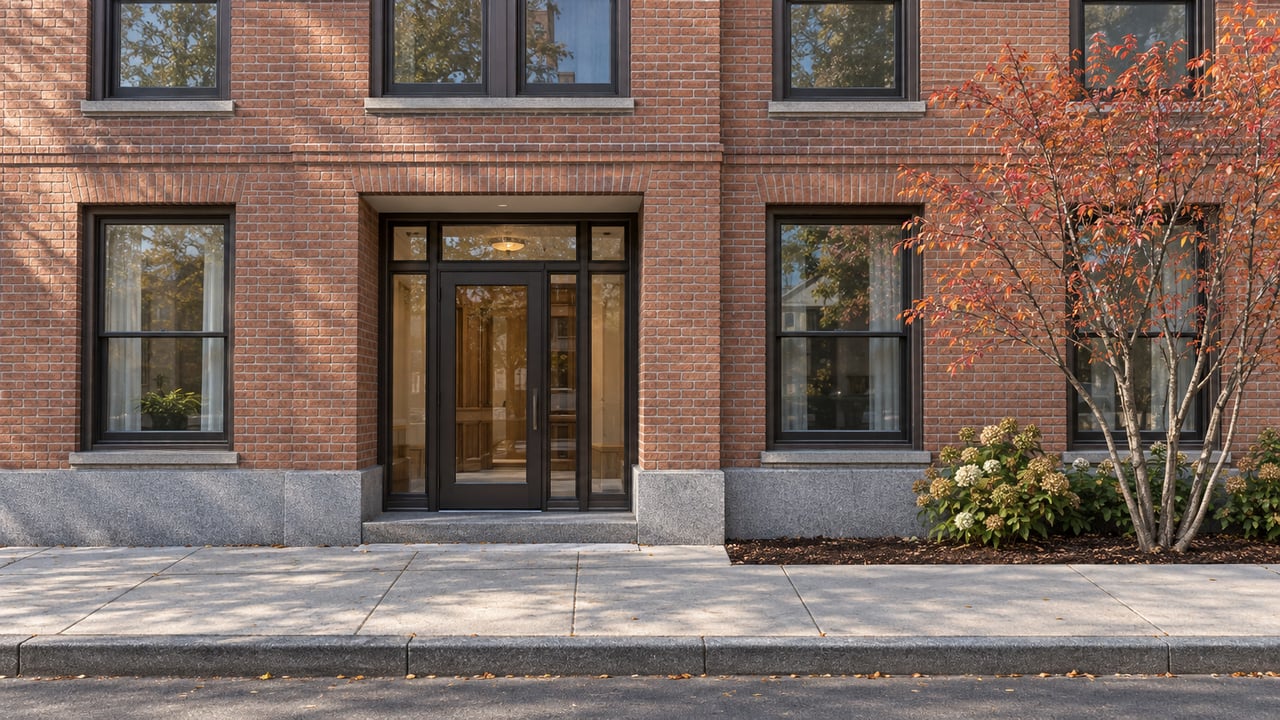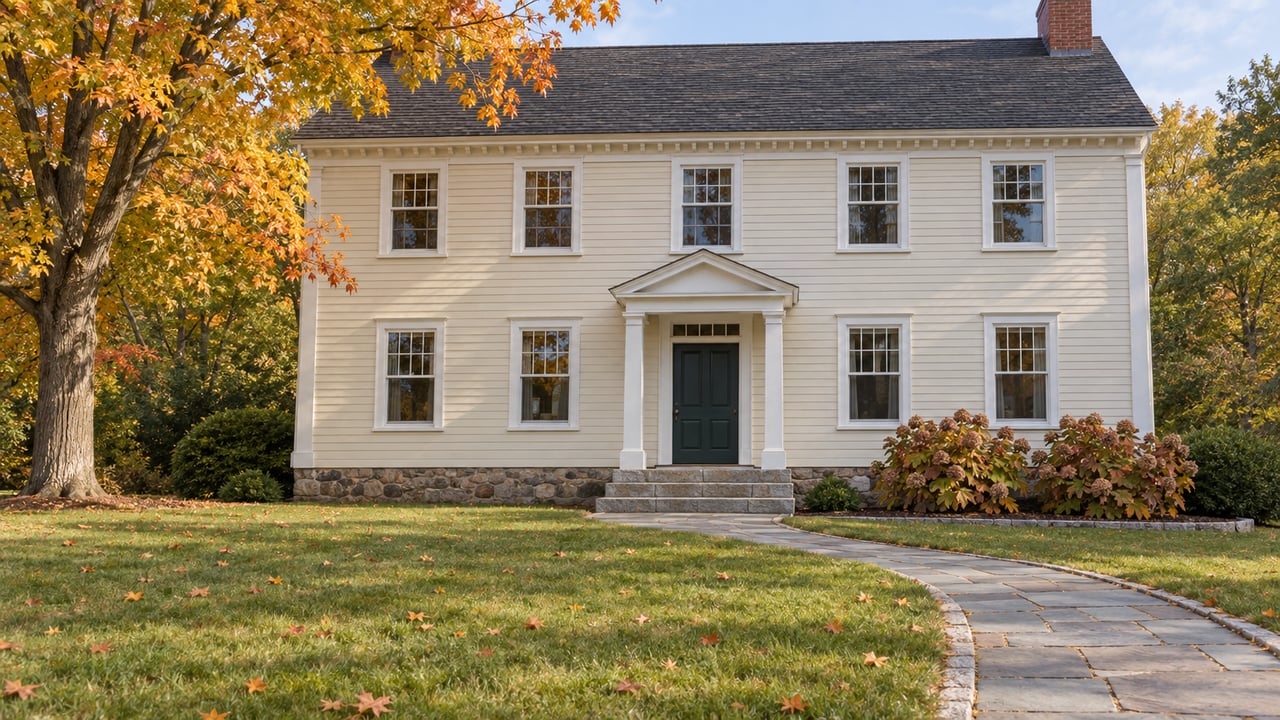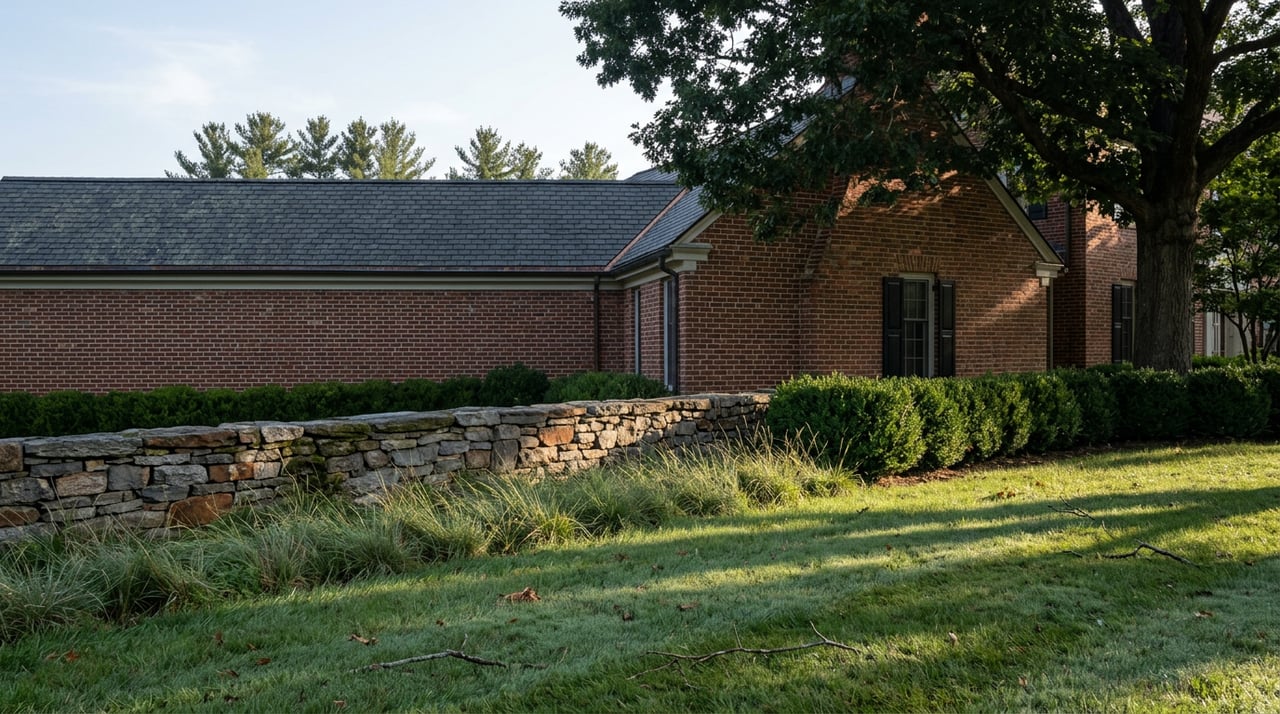
A listing on the market in Sudbury right now makes its own case in the description: the home needs a new septic system and a fair amount of work, but the seller points to something across the street as the real selling point. Land that "can't be built upon," the listing says, sits right there providing privacy and long views out the windows. It's presented as an amenity. And in Sudbury, that's exactly the right way to read it, because that unbuildable parcel isn't going anywhere. It's not a temporary condition of the current owner's choices. It's a permanent restriction that will outlive every buyer who ever owns that house.
That single detail is the key to understanding land in Sudbury right now. Buyers moving out from Newton or Cambridge see the town's big lots, its stone walls, its 2.58-acre estates, and assume that acreage is a kind of stored potential: more house someday, a subdivided lot for a grown child, room to build. Sometimes that's true. Often it isn't, and the reason has nothing to do with the seller's plans and everything to do with which zoning district the parcel happens to sit in, whether a conservation restriction was ever recorded against the title, and how much of that acreage is legally wetland before it's anything else.
The Same Two Acres, Two Different Rulebooks
Sudbury doesn't have one minimum lot size. It has at least three, and they step up sharply depending on where a property falls on the town's zoning map. Under the town's zoning bylaw, a parcel in the Single Residence "A" district needs only 20,000 square feet to support a house lot. Cross into Single Residence "C" and the floor rises to 30,000 square feet. Land inside the Wayside Inn Historic Preservation district needs a full two acres before a single house lot is legal.
That last number matters more than it looks like it should. A two-acre parcel in the Wayside Inn district isn't generous. It's the bare minimum required to build anything at all. The same two acres in a Single Residence "A" zone could, on paper, support several house lots once frontage and other dimensional requirements are met. Two buyers can tour properties with identical acreage on the same afternoon and be looking at completely different development rights, and neither the yard sign nor the listing photos will tell them which one they're standing on. The zoning map will.
The Restriction That Never Makes It Into the Listing Photos
Zoning district is only the first layer. The second is quieter and harder to spot: the Conservation Restriction, or CR, recorded directly on a property's title.
A CR is not a suggestion from a homeowners' association or a note in a neighborhood covenant. Under Massachusetts law, it is reviewed by the state, recorded in the registry of deeds, and once approved, it remains permanently in force. Generally, a CR prohibits building or any other major alteration on the restricted land, and depending on how it's written, it can also bar tree cutting, excavation, or new roads. Landowners grant these restrictions for real reasons, often to protect a feature of the land they care about, and often because a CR carries meaningful federal income and estate tax benefits. Whatever the seller's motivation was, the restriction survives the sale. It transfers with the deed to every owner who comes after.
That's what was sitting across the street in the listing that opened this piece. It isn't a lawn someone chose not to mow. It's land that no future owner, however ambitious, will ever be permitted to build on.
Why Clustering Homes Doesn't Create More of Them
Sudbury does have a mechanism that lets developers group new homes closer together on smaller individual lots, called Flexible Development. It sounds, on its face, like a way to squeeze more density out of a large parcel. It isn't.
The bylaw requires a single tract of at least 10 acres before flexible development even applies, and it caps the total number of building lots at whatever a conventional subdivision of that same land would have produced. Every lot still has to meet minimum area, frontage, and septic suitability on its own. And once approved, the arrangement is locked in for good: no flexible development may be further subdivided later, and a perpetual restriction barring additional lots gets recorded against the land at the time of approval.
In practice, this means a developer who clusters homes on a 10-acre Sudbury tract isn't adding housing stock. They're rearranging the same handful of lots into a tighter footprint and permanently retiring the rest of the acreage from any future development, this owner's or anyone else's.
What the Wetlands Take Off the Table Before Zoning Even Applies
Layer one more thing on top of the zoning tiers and the CRs: Sudbury's own conservation office describes the town as nearly a third wetlands, threaded by the Sudbury River, Hop Brook, Pantry Brook, and Landham Brook along with dozens of smaller feeder streams. The Conservation Commission has jurisdiction within 100 feet of wetlands and 200 feet of perennial streams, which means a meaningful share of what looks like ordinary side yard or back acreage on a plot plan is actually buffer zone before any zoning calculation even begins.
Stack all three layers together, the tiered lot minimums, the recorded CRs, and the wetland buffers, and the pattern in Sudbury's numbers starts to make more sense.
Why the Median Keeps Climbing While the Per-Foot Price Falls
In the three months ending June 2026, Sudbury's median sale price rose 7.8 percent year over year to $1.2 million. Over that same window, the median sale price per square foot actually fell 7.6 percent, and the number of homes sold in June dropped to 65, down from 74 a year earlier.
Read on its own, that looks contradictory: prices up, per-square-foot value down, fewer sales. Read against the zoning and conservation layers above, it reads as one consistent story. The pool of parcels that are genuinely, unambiguously buildable in Sudbury isn't shrinking because fewer people want to live there. It's shrinking because more of the town's acreage keeps getting permanently classified as something other than a future house lot, whether through a CR granted for tax reasons, a wetland buffer that was always there, or a historic district minimum that quietly rules out subdivision. Buyers end up competing harder for the properties that clear all three tests, which pushes up what those specific homes sell for, even as the broader per-square-foot number softens under the weight of listings that come with more caveats than they first appear to.
Down the road on Concord Road, a stately 1810 "Grand Dame" estate went up for sale this April for close to $3 million, six bedrooms and 6,884 square feet on 2.58 acres, its eleven fireplaces and wide-plank floors doing the selling rather than any promise of a future second house lot. That's the segment Sudbury's older, larger parcels increasingly occupy: priced and marketed as a single estate, not as raw material for something else.
What to Check Before the Acreage Talks You Into Anything
A few questions are worth asking before an offer goes in on any Sudbury property with land attached to it:
- Which zoning district is the parcel in, and what is the actual minimum lot size there? Single Residence "A," Single Residence "C," and the Wayside Inn Historic Preservation district all carry different numbers.
- Does a Conservation Restriction appear anywhere in the chain of title? A registry of deeds search will show it if one exists.
- Is any part of the lot within 100 feet of a wetland or 200 feet of a perennial stream? That buffer applies regardless of what the tax map says the lot size is.
- If the property sits inside one of Sudbury's historic districts, what does the Historic Districts Commission require for exterior changes, separate from whatever zoning allows?
None of these questions are unusual to ask. They're just easy to skip when the listing photos are doing their job.
A Couple of Questions Worth Asking Directly
Does a Conservation Restriction lower what a property is worth? Not necessarily. Buyers often pay for the privacy and views that restricted open land provides, the same way the current listing is marketing it. What a CR changes is what a future owner can ever do with that specific parcel, not whether the house itself holds its value.
Can a Conservation Restriction be removed after closing? Generally, no. Because it's reviewed and approved at the state level and recorded permanently against the title, undoing one is exceptionally rare and not something a buyer should plan around.
Sudbury's acreage is real. What it entitles you to build is a separate question, and the answer lives in the zoning bylaw and the registry of deeds, not the listing description. If you're weighing a Sudbury property against something in Wayland or Wellesley and want someone to actually pull the zoning district and check the title before you fall for a number, that's the kind of groundwork Rutledge Properties does before you ever write an offer.