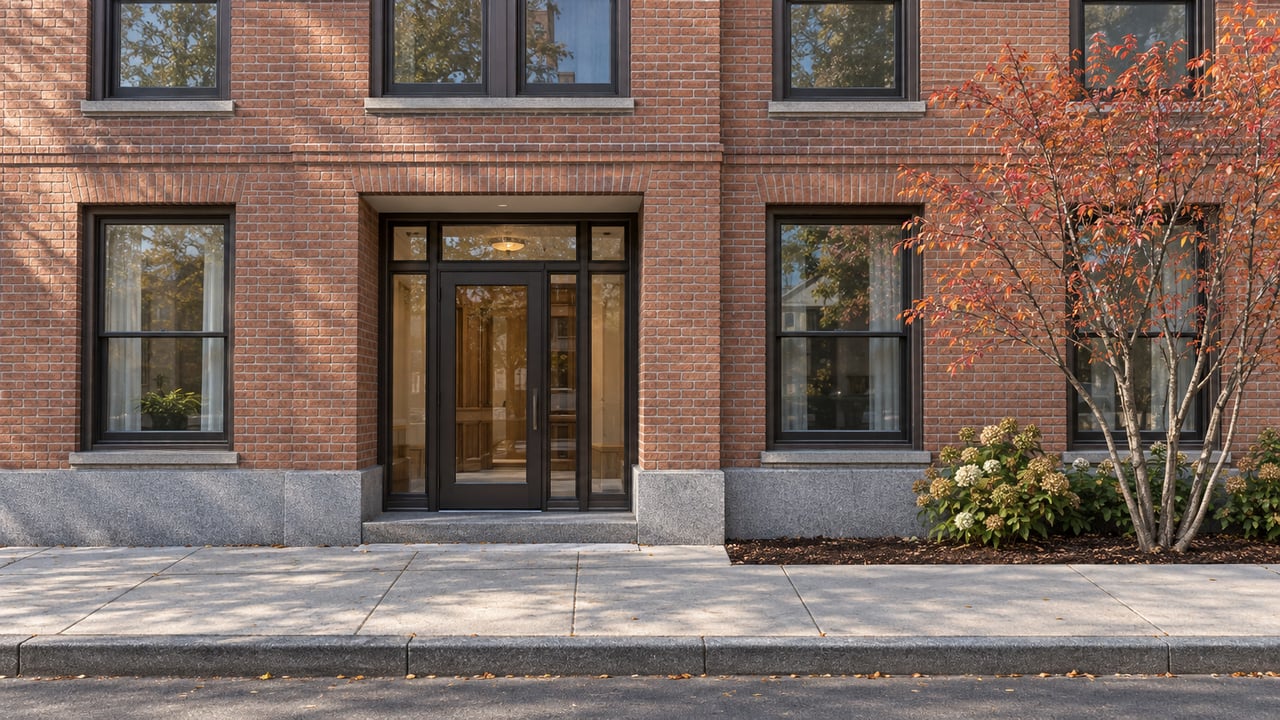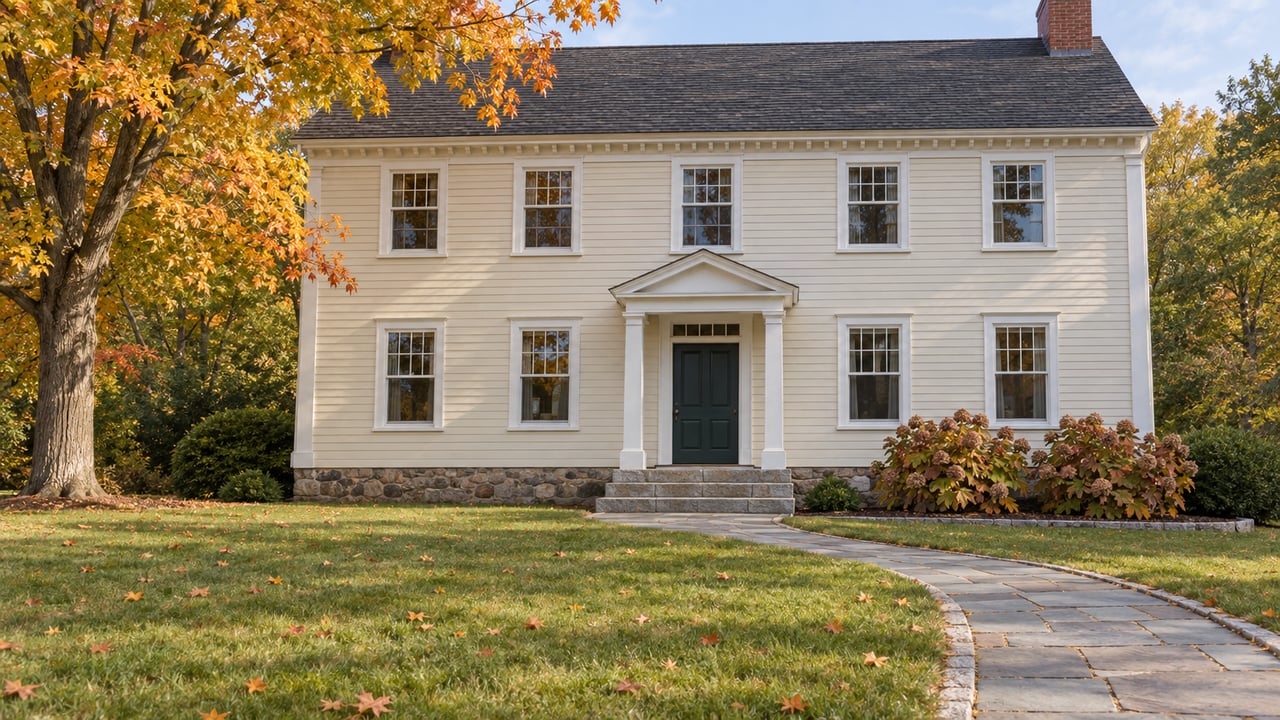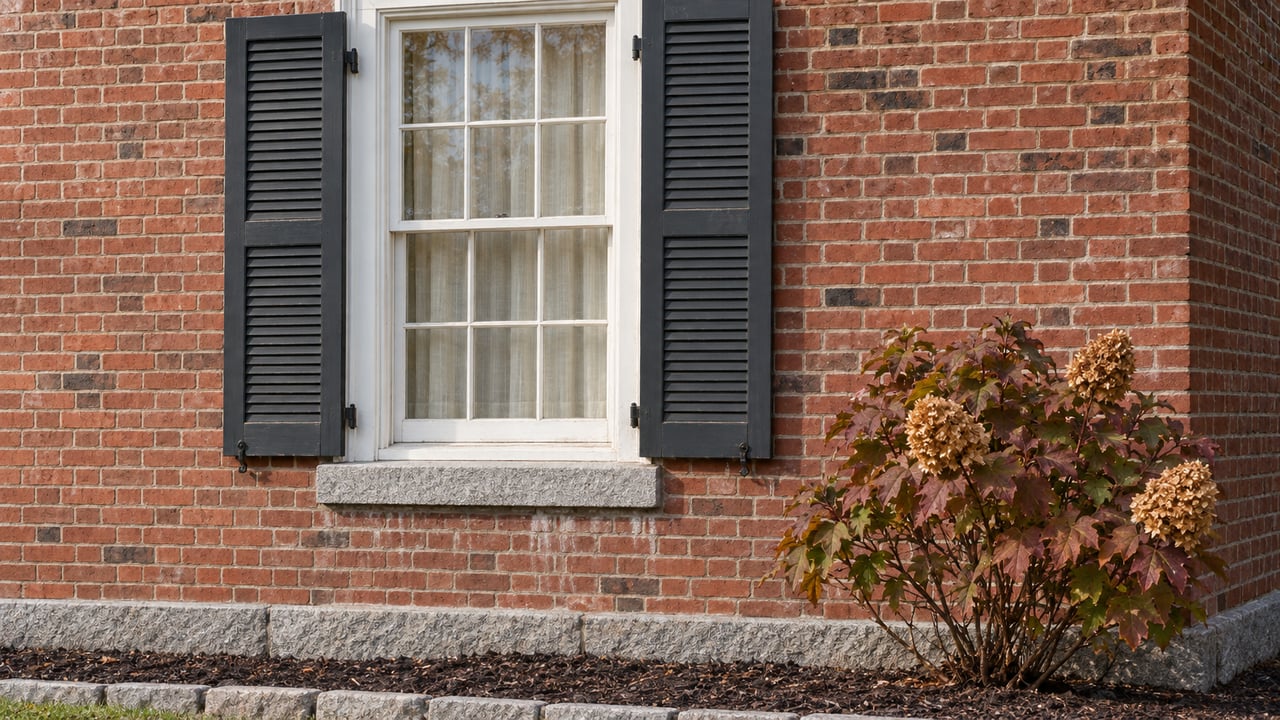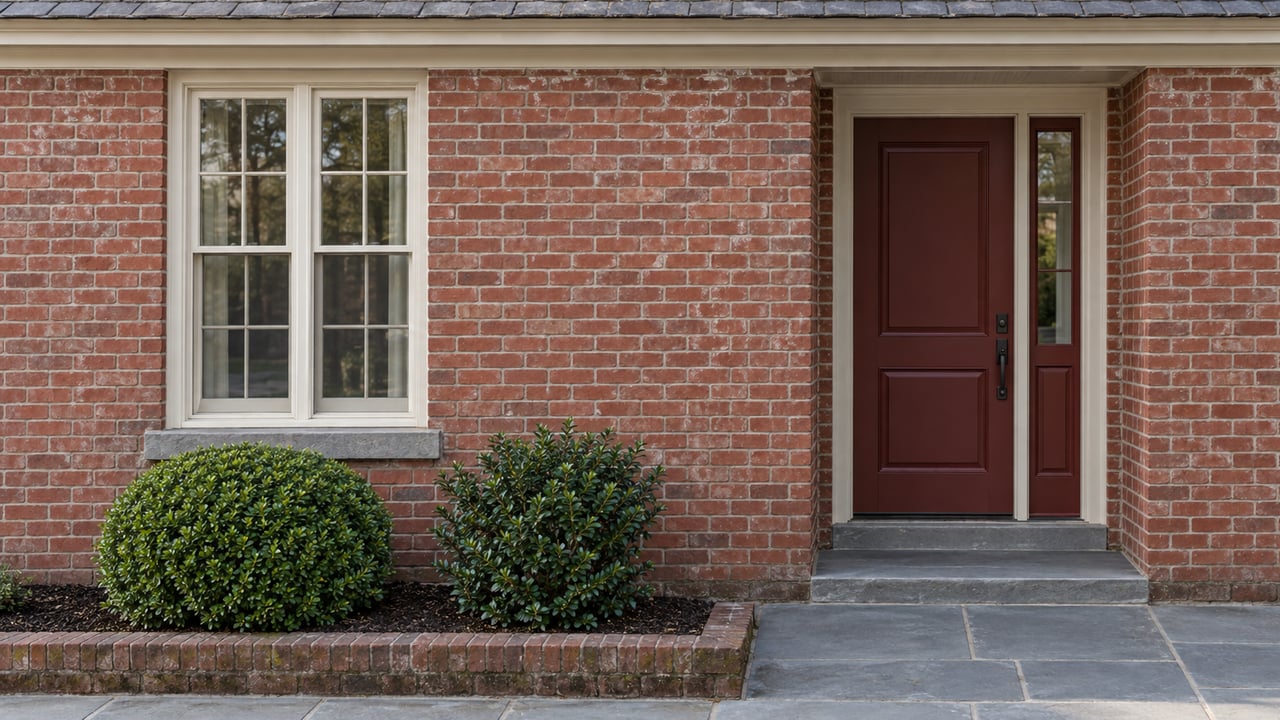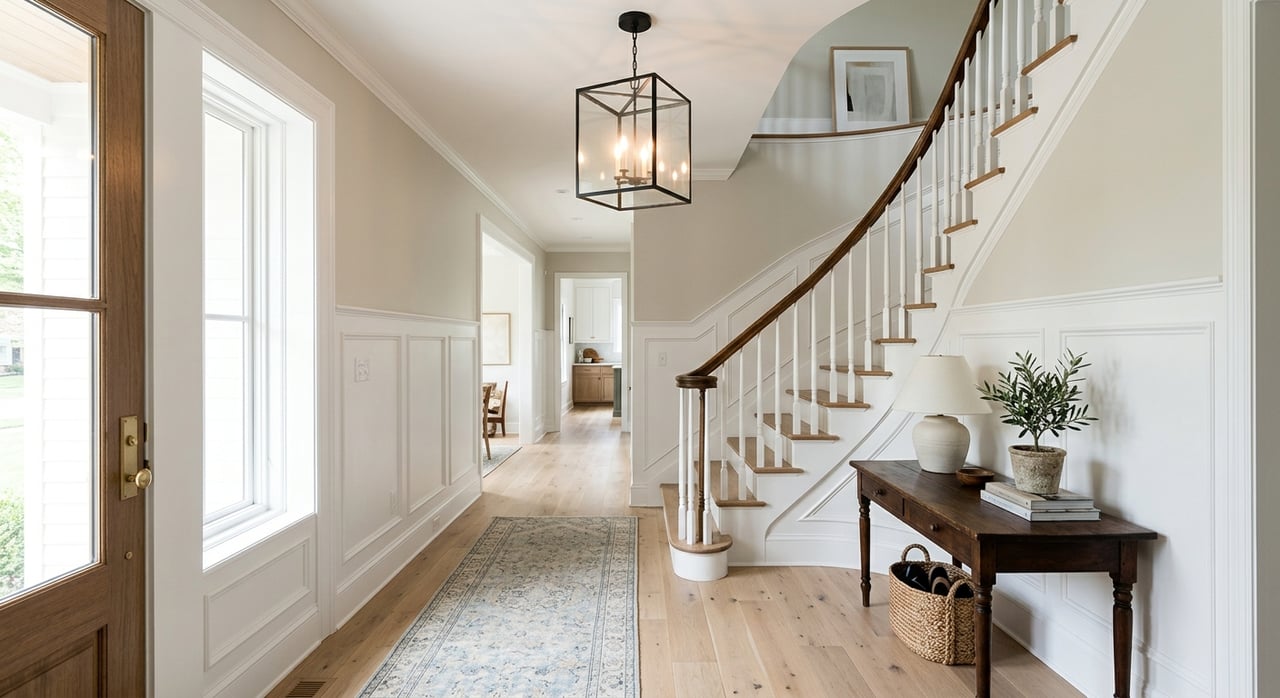
Wondering whether a classic Wellesley home or a newer one is the better fit? You are not alone. In a town where much of the housing stock was built before 1960, but newer rebuilds and luxury condos have also reshaped the market, the right choice often comes down to how you want to live day to day. This guide will help you compare character, space, upkeep, and budget so you can make a more confident move. Let’s dive in.
Wellesley Housing Starts With Tradeoffs
Wellesley is still a strongly owner-occupied, single-family market. Census data shows an 84.4% owner-occupied rate, and the town’s 2025 draft Strategic Housing Plan identifies 7,315 single-family parcels compared with 666 condominium parcels.
That big-picture mix matters because your options are not evenly split between old and new. In Wellesley, classic homes make up much of the landscape, while newer homes are often rebuilds on older lots rather than homes in large new subdivisions.
How Old Is Wellesley’s Housing Stock?
If you have spent time driving around town, the age mix probably feels obvious. The town’s housing plan says 35% of homes were built in 1939 or earlier, and another 23% were built between 1940 and 1959.
That means a majority of Wellesley homes were built before 1960. By contrast, 18% of the housing stock was built in 2000 or later, and about 12% of current homes were built since 2010.
What Defines a Classic Wellesley Home?
Classic homes in Wellesley often bring the details buyers love about older New England properties. Colonial is the most common single-family style overall, accounting for 57% of the market.
The town’s data also shows that lower-value quartile single-family homes have a median year built of 1937. Their median size is 1,692 square feet, with a median lot size of about 10,298 square feet.
In plain terms, classic homes in Wellesley are often older, smaller, and full of character. If you value period detail, established lots, and a traditional feel, this part of the market may be especially appealing.
Why Buyers Love Older Homes
Many buyers are drawn to homes that feel rooted in the town’s history. Older homes can offer architectural charm, mature landscaping, and layouts or details that are hard to replicate exactly.
For some buyers, that sense of place is worth the tradeoff. A classic home may ask more of you over time, but it can also offer a style and setting that newer construction simply approaches differently.
What to Watch With Historic Areas
Some Wellesley properties come with an added layer of review. The town has 11 National Register-listed places, and homes in local historic districts may require a certificate for exterior construction, alteration, or demolition before permits can be issued.
That does not make these homes a bad choice. It does mean you should go in with clear expectations if future exterior changes are part of your plan.
What Counts as a Newer Home in Wellesley?
In Wellesley, newer does not always mean part of a newly built neighborhood. The town reports that more than 1,200 single-family homes were built between 2003 and 2025, yet the total single-family stock rose by only 95.
That gap tells an important story. Much of Wellesley’s newer inventory has come through teardown-and-rebuild activity rather than construction on vacant land.
So when you shop for a newer home here, you are often looking at a custom or semi-custom rebuild on an older lot. That gives newer homes a different feel from what you might find in a subdivision-based market.
Why Newer Homes Often Cost More
Wellesley’s data shows a clear relationship between age, size, and price. In the upper-value quartile, the median single-family home was built in 1991 and has a median size of 4,544 square feet.
That is a sharp contrast from the older, smaller homes in the lower-value quartile. The town’s 2024 median sale price for a single-family home was $2,103,500, and the upper-value quartile was assessed at $2,211,500.
In short, newer homes in Wellesley often sit in the premium segment. You are often paying for more square footage, updated systems, and newer finishes, along with the reality that many of these homes were built as high-value replacements.
Why Buyers Choose Newer Construction
A newer home can appeal to you if you want more turnkey living. Newer layouts may offer larger kitchens, more open gathering spaces, and bedroom and bath counts that better match today’s preferences.
There is also a practical side. Buyers who want fewer permit complications, less near-term maintenance, or a more streamlined ownership experience often focus on newer homes or condos.
Condos Add a Third Option
If you are deciding between classic and newer homes, it is worth remembering that Wellesley condos create a third path. They are still a smaller slice of the market, but they have become more important over time.
The town identifies 666 condo parcels, and condo inventory increased by 320 units between 2003 and 2025. In 2024, the median condo sale price reached $1,787,500, supported in part by newer high-cost projects such as the Bristol and Terrazza.
Why Condos Matter in Wellesley
Wellesley’s housing profile shows an interesting mismatch. Many owner households are made up of one or two people, yet 63.6% of owner-occupied homes have four or five bedrooms.
That helps explain why condos and smaller homes matter so much for downsizers and buyers who want less space to maintain. If your goal is right-sizing instead of maximizing square footage, condos may deserve a close look.
Condo Costs Work Differently
Budgeting for a condo is not the same as budgeting for a single-family home. Condo fees are usually separate from the mortgage, and monthly HOA dues can range from a few hundred dollars to more than $1,000.
Massachusetts condo law also requires the unit-owners’ organization to oversee common-area maintenance and maintain a replacement reserve fund. That structure can reduce some hands-on ownership tasks, but it also adds a layer of monthly cost and association governance.
Compare Classic, Newer, and Condo Living
Here is a simple way to think about the tradeoffs in Wellesley:
| Option | Typical Strengths | Typical Considerations |
|---|---|---|
| Classic home | Character, period detail, traditional feel, established lots | Older systems, more upkeep, possible historic-district review |
| Newer home or rebuild | Larger size, newer finishes, more turnkey living | Higher price point, often premium-segment inventory |
| Condo | Lower-maintenance lifestyle, right-sizing potential, newer product in some developments | HOA fees, association rules, shared maintenance structure |
None of these options is universally better. The best fit depends on whether you care most about charm, convenience, space, or ease of ownership.
Think About Commute and Daily Routine
Your choice is not just about the house itself. It is also about how the property supports your week.
Wellesley residents can access the MBTA Worcester/Framingham commuter rail at Wellesley Square, Wellesley Hills, and Wellesley Farms. The town also points to Catch Connect microtransit, biking, parking options, and nearby Green Line D access at Woodland and Waban.
Census data puts the mean travel time to work at 27.2 minutes. If commuting convenience matters to you, home type and location should work together in your search.
For Buyers, Match the Home to Your Priorities
If you are buying in Wellesley, start by getting honest about your non-negotiables. Do you want charm and are comfortable with maintenance? Do you want a more turnkey experience? Or are you trying to reduce upkeep and simplify your lifestyle?
A classic home may be the right fit if you love older architecture and are prepared for the responsibilities that can come with it. A newer rebuild may make more sense if you want more space and a more current layout. A condo may be the strongest option if right-sizing and convenience are driving your move.
For Sellers, Age and Product Type Shape Value
If you are selling, one of the biggest mistakes is assuming every home in Wellesley competes in the same lane. The town’s data suggests otherwise.
Older smaller homes, newer rebuilds, and condos often trade in different price bands and come with different buyer expectations. A home’s age, rebuild status, size, and association structure can matter just as much as its address when you position it for the market.
That is why pricing, preparation, and marketing strategy need to be specific to your property type. A one-size-fits-all approach rarely tells the full story in a market like Wellesley.
The Bottom Line on Choosing
Wellesley’s housing market is best understood as a set of thoughtful tradeoffs. Classic homes usually offer more history and character, newer homes are often larger rebuilds in the premium segment, and condos can solve the size-and-maintenance puzzle for buyers who want a simpler setup.
The right move depends on how you want to live, what level of upkeep feels realistic, and how your budget lines up with today’s market. If you want a clear, local read on which type of property fits your goals, working with an agent who knows how these segments differ can make the decision much easier.
If you are weighing a classic home, a newer rebuild, or a condo in Wellesley, Rutledge Properties can help you compare your options with practical, local guidance from first showing to closing.
FAQs
What is the difference between classic and newer homes in Wellesley?
- In Wellesley, classic homes are typically older and smaller, often built before 1960, while newer homes are often larger rebuilds on older lots and usually sit in a higher price segment.
Are most homes in Wellesley older homes?
- Yes. The town’s housing plan says 35% of homes were built in 1939 or earlier and another 23% were built between 1940 and 1959, so most of the housing stock was built before 1960.
Are newer homes in Wellesley usually brand-new neighborhoods?
- No. The town’s data shows much of Wellesley’s newer inventory has come from teardown-and-rebuild activity rather than large-scale development on vacant land.
Do historic district rules affect older homes in Wellesley?
- They can. In local historic districts, exterior construction, alteration, and demolition require a certificate before permits can be issued.
Are condos a good alternative to single-family homes in Wellesley?
- Condos can be a strong option if you want less space to maintain or a more simplified ownership model, but you should also factor in HOA fees and association rules.
How should sellers price classic versus newer homes in Wellesley?
- Sellers should look at comparable homes by age, size, rebuild status, and property type because older homes, newer rebuilds, and condos often compete in different price ranges.