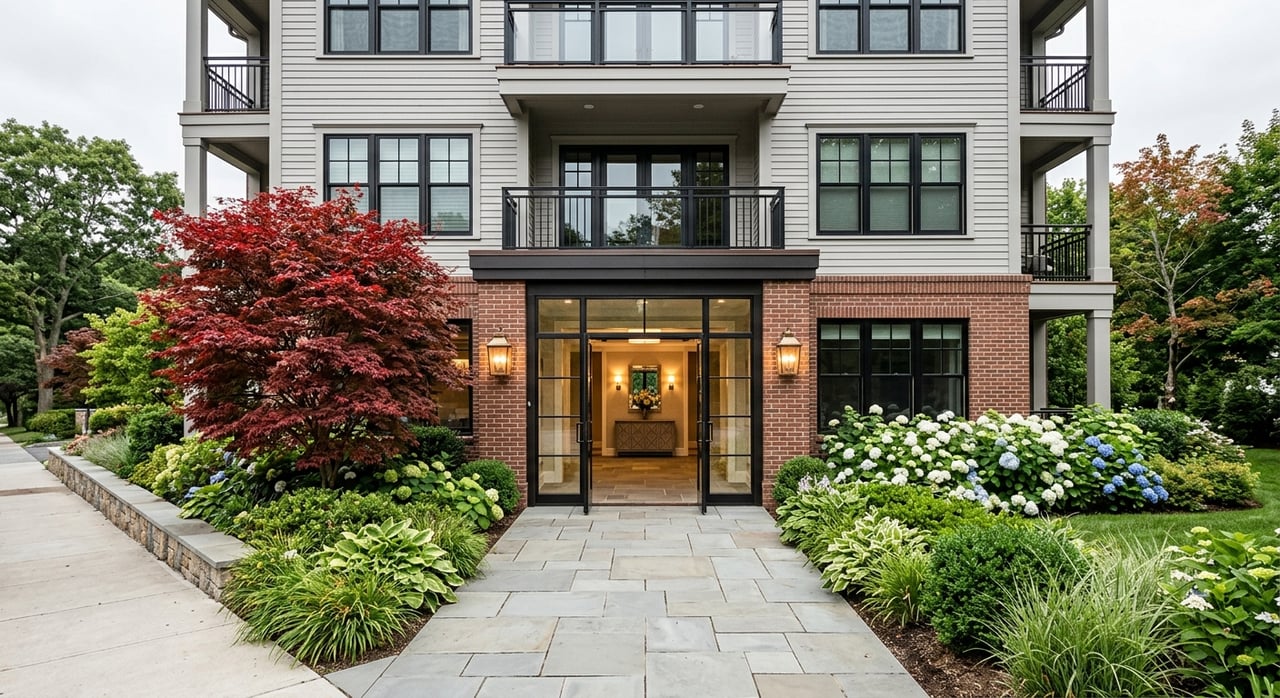
If you are thinking about buying a condo in Wellesley, here is the first thing to know: a condo here is not always the "budget" option. In many cases, it is a lifestyle choice driven by location, convenience, and lower day-to-day maintenance. If you want to downsize, simplify, or stay close to town and transit, asking the right questions upfront can help you avoid surprises and buy with confidence. Let’s dive in.
Why Wellesley condo shopping is different
Wellesley is a village-center town, which means condo living tends to cluster near key commercial areas rather than spread evenly across town. The main areas to watch are around Wellesley Square, Wellesley Hills, the Fells area, and Linden Square, with additional zoning capacity tied to the Wellesley Office Park overlay.
That matters because location often shapes the value of a condo more than square footage alone. If you are buying here, you are often paying for easier access to shops, dining, commuter options, and a more low-maintenance way of living.
It is also worth noting that zoning capacity does not guarantee new construction. The town has created by-right multifamily capacity in certain areas, but future condo supply still depends on developer interest.
Ask whether the location fits your daily life
Before you focus on finishes or floor plans, step back and think about how the building fits your routine. In Wellesley, that question can make or break whether a condo feels convenient or frustrating.
How close is it to Wellesley’s village centers?
Wellesley Square, Wellesley Hills, and Linden Square are important lifestyle hubs in town. If you want to be able to run errands, meet friends, or enjoy a more walkable routine, proximity to those areas may be one of the biggest benefits of condo living.
A building that looks great on paper can feel less practical if it is farther from the places you use most. Ask yourself how often you want to drive versus walk, and whether the condo supports that goal.
How realistic is the commute?
Wellesley has three commuter rail stations: Wellesley Square, Wellesley Hills, and Wellesley Farms. The town also points residents to Catch Connect service for access to Woodland and Waban on the Green Line.
If you commute regularly, test the route in real terms. Think about how long it takes to get from the unit to the station, where you would park, and whether the transit option actually works for your schedule.
Does the condo support your next chapter?
For many buyers in Wellesley, condo living is about simplifying life. That may mean being closer to town, reducing exterior upkeep, or finding a home that is easier to manage than a single-family property.
If that is your goal, ask practical questions. Is there single-level living? Is there an elevator? Will the layout still work well for you in five or ten years?
Ask what you are really buying
A Massachusetts condominium is not the same as owning a single-family home. You own your unit and also hold an undivided interest in the common areas, with ownership and governance shaped by the master deed, bylaws, and Massachusetts condominium law.
That shared structure is not a problem, but it does mean you need to understand both the home and the association behind it. In condo purchases, the building matters almost as much as the unit itself.
What do the monthly dues cover?
This is one of the most important questions you can ask. Condo dues are usually separate from your mortgage payment, and they can range from a few hundred dollars per month to more than $1,000.
In some buildings, dues may cover items like exterior repairs, landscaping, and snow removal. In others, they may also support shared amenities such as fitness rooms, package areas, club rooms, or other common spaces.
Do not just ask for the current number. Ask what the dues cover, how often they have increased, and whether the current amount seems aligned with the building’s actual needs.
What is the true monthly carrying cost?
Many buyers start with the mortgage and work outward. With condos, it is smarter to look at the full monthly picture from the start.
Your carrying cost usually includes:
- Mortgage principal and interest
- Property taxes
- Homeowners insurance
- Condo or HOA dues
In Wellesley, that full number matters even more because condo prices can be high. The town’s 2024 median condominium sale price reached $1,787,500, which is much closer to the single-family median of $2,103,500 than many buyers expect.
Ask whether the association is financially healthy
A beautiful unit can still come with financial risk if the association is poorly run. This is why condo due diligence should go beyond paint colors and appliance packages.
Is there a healthy reserve fund?
A reserve fund helps pay for major future repairs and capital needs. If reserves are thin, owners may be more exposed to special assessments when larger expenses come up.
Ask to review the association budget and reserve information. You want to understand whether the building appears to be planning ahead or simply reacting to problems as they arise.
Are any special assessments planned?
Special assessments can affect affordability quickly. Even if the monthly dues seem manageable, an upcoming assessment for roof work, exterior repairs, or another major project can change the math.
Ask directly whether there are current or planned special assessments. Also ask whether major projects have been discussed in recent meeting minutes.
Are there insurance or litigation issues?
Insurance details and legal issues can affect more than peace of mind. They may also affect financing.
Massachusetts guidance notes that associations keep important records on file, including financial records, contracts, minutes, and insurance policies. Reviewing those materials can help you understand whether there are issues that need a closer look before you move forward.
Ask about rules before you fall in love
Condo rules are easy to overlook when you are focused on the unit itself. They are also one of the most common sources of buyer frustration after closing.
Are pets allowed?
If you have a pet or think you might in the future, confirm the rules early. Some buildings have restrictions on number, size, or type of pets.
This is not a detail to leave until the end. A condo can be a great fit in every other way, but the pet policy may make it unworkable.
Can you rent the unit?
Even if you plan to live in the condo full time, rental rules still matter. Life changes, and flexibility can be valuable.
Massachusetts condo guidance specifically flags rental restrictions as an issue buyers should confirm before purchase. Make sure you understand whether rentals are allowed and whether there are limits or waiting periods.
Is the parking deeded or assigned?
Parking can be a major quality-of-life factor, especially in town-center locations. Massachusetts guidance also points to assigned versus deeded parking as an important due-diligence item.
Ask how many spaces come with the unit, whether they are deeded or assigned, and whether guest parking is available. If parking is tight, that should factor into your decision.
What changes can you make?
If you plan to update a kitchen, change flooring, or make other improvements, ask what the rules allow. Some associations have clear restrictions around alterations, contractor access, or work hours.
It is better to know those boundaries before you buy than after you have already started planning renovations.
Ask how the building handles everyday convenience
The best condo for you is not just the one with the nicest finishes. It is the one that makes daily life easier.
How are packages, deliveries, and visitors handled?
If you travel, work long hours, or receive frequent deliveries, building systems matter. Ask how packages are stored, how guests enter, and whether the setup feels secure and practical.
These details may sound small, but they have a big effect on how comfortable condo living feels day to day.
What services and amenities do you actually use?
Some Wellesley condos offer an amenity-rich lifestyle. A local example, Terrazza, describes features such as a private courtyard and grills, fitness center, pet spa, movie lounge, bike room, conference and club rooms, plus a dedicated parking space.
Amenities can be valuable, but only if they match the way you live. If you will never use the fitness room or lounge, make sure you are comfortable paying dues that may help support them.
Keep Wellesley pricing in perspective
Wellesley’s housing stock is relatively older overall, and only about 12% of current housing units were built since 2010. Condo inventory has grown by 320 units from 2003 to 2025, but newer or more amenitized options are still a limited slice of the market.
That helps explain why condo pricing can be surprisingly strong. In Wellesley, a condo often appeals to buyers who want a specific location, easier maintenance, and a streamlined lifestyle, not simply a lower purchase price.
A smart condo search starts with the right questions
Buying a condo in Wellesley can be a great move if it lines up with the way you want to live. The key is to look beyond the unit itself and evaluate the location, monthly costs, association health, rules, and day-to-day functionality.
That is where clear guidance matters. If you want local insight, thoughtful due diligence, and direct support from consultation through closing, Rutledge Properties is here to help.
FAQs
What should you ask about condo fees in Wellesley?
- Ask what the monthly dues cover, how often they have changed, and whether the amount seems sufficient for building maintenance, services, and amenities.
What should you review before buying a Massachusetts condo?
- Review the association budget, reserve funding, recent meeting minutes, any special assessments, insurance details, and the condo documents that govern ownership and rules.
Why is location so important for condos in Wellesley?
- Wellesley condo living is often centered around village areas like Wellesley Square, Wellesley Hills, and Linden Square, where access to shops, services, and transit can be a major part of the value.
How does condo ownership differ from owning a single-family home in Massachusetts?
- With a condo, you own your unit and share ownership of common areas, with rights and responsibilities shaped by the master deed, bylaws, and Massachusetts condominium law.
What lifestyle questions matter most when choosing a Wellesley condo?
- Focus on commute practicality, parking, elevator access, single-level living, package handling, pet rules, rental restrictions, and whether the building supports the low-maintenance lifestyle you want.