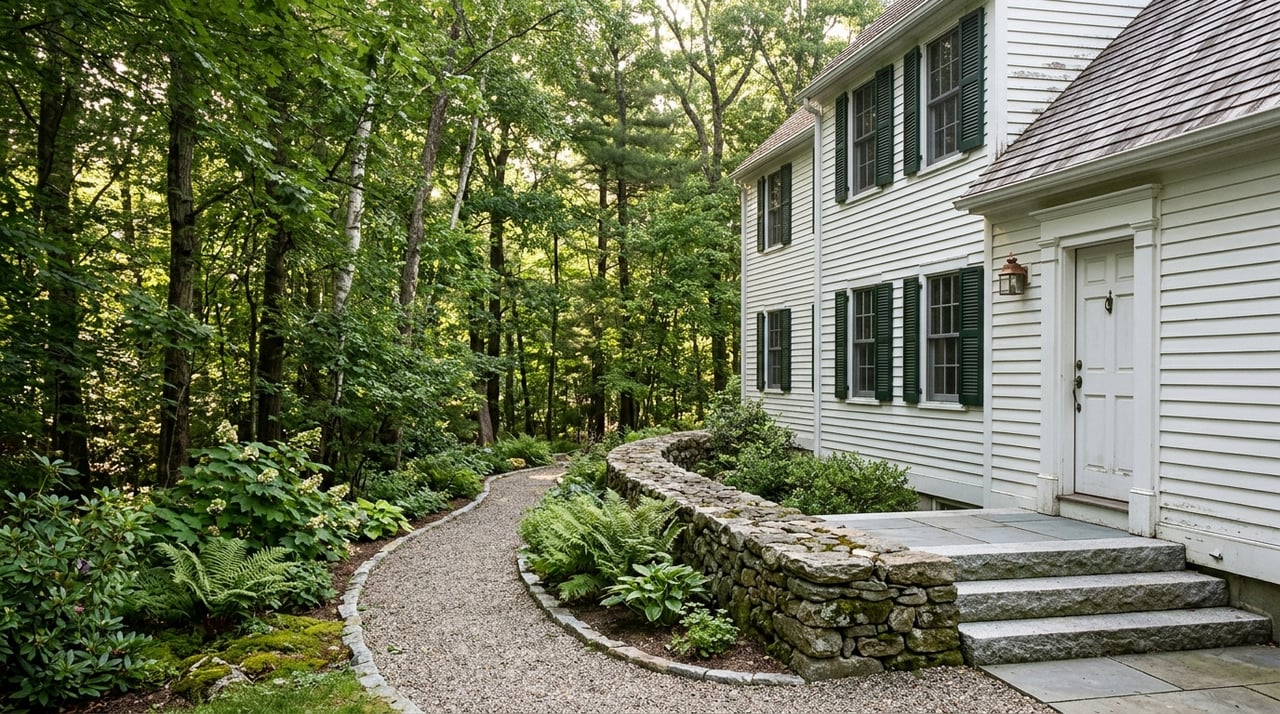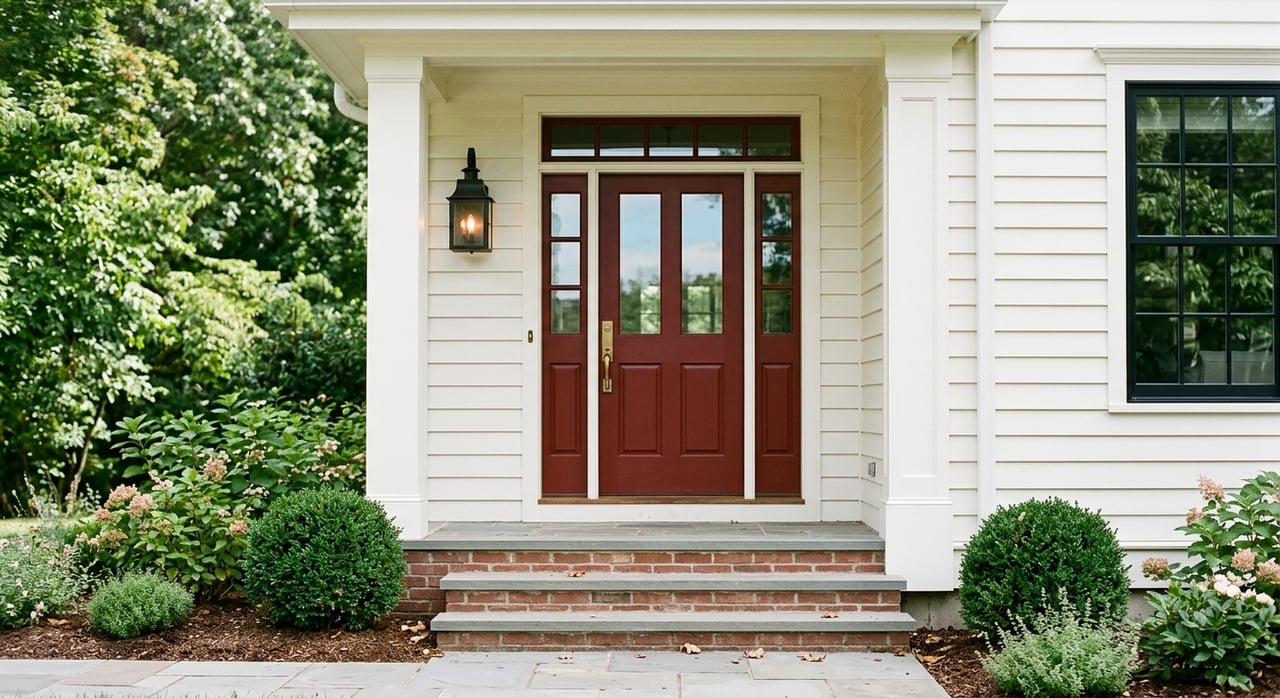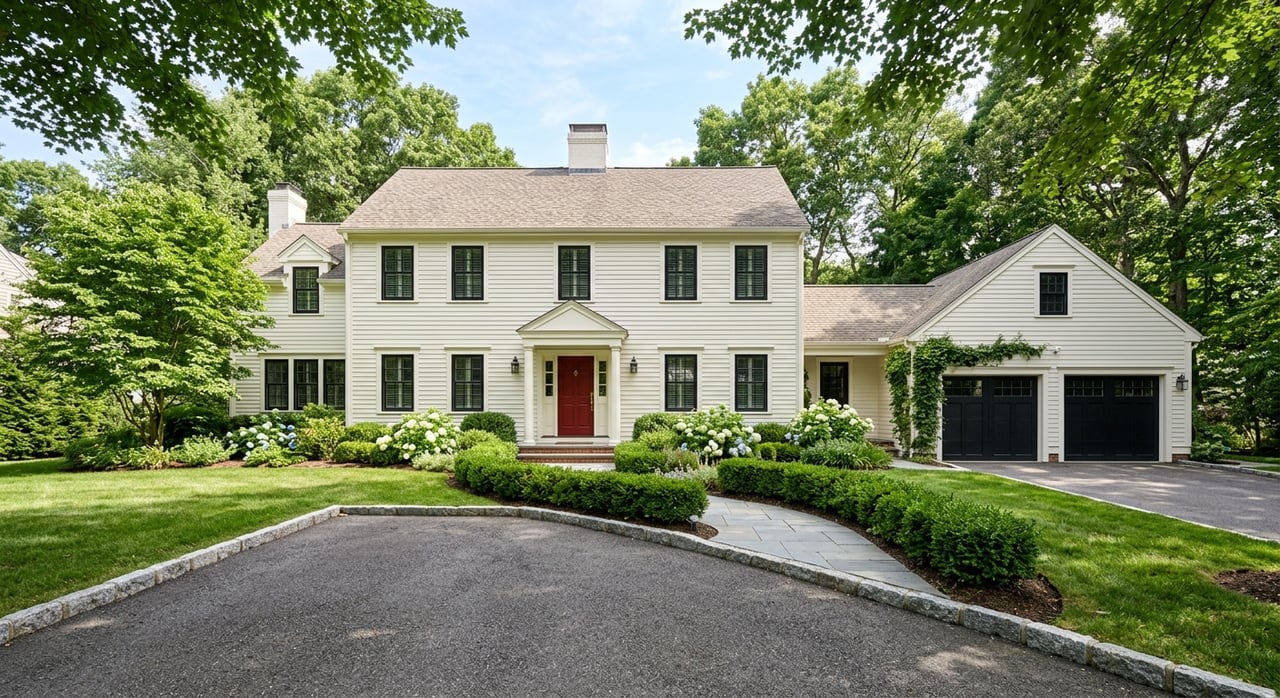
Are you thinking about trading a Boston or Cambridge address for more space in MetroWest? That move can feel exciting and a little disorienting at the same time, especially if you are used to condo living, walkable errands, and transit close by. If Wayland is on your shortlist, it helps to understand how daily life really changes so you can choose a home that fits the way you want to live. Let’s dive in.
What Changes in Wayland
Wayland offers a very different rhythm from Boston or Cambridge. The town has an estimated population of 13,913 spread across 15.04 square miles, or about 926.8 people per square mile. That lower-density setting often feels quieter and more residential than the city.
The housing profile also tells an important story. About 87.6% of homes are owner-occupied, and the estimated median owner-occupied home value is $978,400. If you are moving from a condo-heavy neighborhood, you are likely shifting toward a market with more single-family homes, more land, and more day-to-day home responsibilities.
Wayland describes itself as a quiet community in a semi-rural setting with little industrial or commercial base, while still offering access to shopping, dining, entertainment, and nearby services. It also sits in MetroWest, roughly halfway between Boston and Worcester. For many buyers, that means you gain breathing room without feeling disconnected from the region.
Space Comes With More Responsibility
One of the biggest changes is that more space usually comes with more upkeep. In a condo, building systems, common areas, and some exterior work may be handled for you. In a house, those tasks often become part of your regular routine.
That can include lawn care, snow clearing on your property, driveway planning, and general exterior maintenance. If you are comparing homes in Wayland, it is smart to think beyond square footage and ask yourself how much upkeep you actually want. A larger yard may sound great in theory, but it helps to picture what that means in January and in July.
Commute Patterns Feel Different
If you are used to the T, this may be the biggest lifestyle adjustment. Wayland is part of the MetroWest Regional Transit Authority network, and MWRTA Route 10 includes a Wayland stop at Second Street at the Rec Center. The route connects to places like Natick Common and Natick Center MBTA.
MWRTA also notes commuter shuttles that connect nearby Natick and Framingham points to MBTA commuter rail stations. There is also a Wayland-to-Boston hospital shuttle on Tuesdays, Wednesdays, and Thursdays for select Boston-area hospitals. For eligible residents, the Dial-A-Ride program adds curb-to-curb transportation across MetroWest.
The key difference is that commuting here is more regional and less subway-centered. Instead of stepping out to a dense transit grid, you may be coordinating driving, local bus access, or a connection through nearby towns. That does not make Wayland less workable, but it does mean your route deserves close attention before you buy.
Parking Works Differently Here
City buyers are often used to resident permit systems and limited street parking. Boston gives residents preferential access to on-street spaces in many neighborhoods, and Cambridge notes that parking is limited and that most residential streets require a resident parking permit. Wayland has a different issue to plan for.
The town’s winter on-street parking ban runs from November 15 through April 1 on town roads. Vehicles parked illegally in ways that block snow and ice removal can be ticketed and towed. If you are moving from a neighborhood where street parking was normal, off-street parking and winter driveway access should move high on your priority list.
Winter Maintenance Matters More
In Wayland, winter planning is not just about your commute. It also affects how your property functions day to day. The Wayland Highway Department runs snow and ice control on town roads, but residents and private contractors may not shovel, blow, plow, or throw snow onto public streets or sidewalks.
That rule makes home setup important. A long driveway, limited snow storage, or tight garage access can become a bigger factor than you might expect. When you tour homes, it helps to notice where cars will go in winter and where snow can realistically be placed after a storm.
Trash and Recycling Are More Hands-On
Another change that catches many former condo owners by surprise is household disposal. Wayland operates a resident-only Transfer Station and Recycling Center, and residents need a valid transfer-station sticker. The town also accepts specialty items like bulky waste, tires, electronics, mattresses and box springs, and yard waste.
Regular household trash must be placed in Town of Wayland trash bags sold in multiple sizes. That means your weekly routine may include managing town trash bags, yard waste, and occasional transfer-station trips. It is not difficult, but it is more active than using a building trash room or a simpler curbside setup.
Lifestyle in Wayland
For many buyers, the appeal of Wayland is not only the house itself. It is the overall pace and setting. The town highlights conservation trails for walking, hiking, and snowshoeing, along with fields, parks, and playgrounds across town.
The Recreation Department says it helps manage more than 40 sports fields, 12 playgrounds, Wayland Town Beach, and miles of trails. That creates a lifestyle centered more on outdoor time, local recreation, and home-based living. If that is what you are craving after years in Boston or Cambridge, Wayland can feel like a meaningful shift.
Lake Cochituate Adds a Seasonal Bonus
Wayland Town Beach on Lake Cochituate is one of the town’s standout amenities. The beach offers seasonal swimming, boating, boat rentals, swimming lessons, lifeguards, and weekly water-quality testing. That gives residents a built-in warm-weather destination without leaving town.
This matters because your weekends may look different here. Instead of defaulting to dense city activity, you may find yourself planning around trails, beach time, errands, and projects at home. For many households, that tradeoff feels well worth it.
How to Judge Fit Before You Buy
When you move from Boston or Cambridge to Wayland, the best home search is about more than beds, baths, and price. It helps to test each option against how your week will actually work. A beautiful house can still be the wrong fit if the commute is awkward or the maintenance load feels too heavy.
A practical way to evaluate homes is to focus on four variables:
- Commute route: How will you get to work or regular appointments, and how often?
- Parking and winter access: Is there enough off-street parking, and will snow make the setup harder?
- Maintenance workload: How much yard work, snow removal, and exterior upkeep comes with the property?
- Weekend routine: Does the location support the way you want to spend free time?
This kind of framework helps you compare homes more clearly. It also keeps you focused on daily life, not just listing photos.
Why Local Guidance Helps
A move like this is not just a change of address. It is a change in how you live from Monday through Sunday. That is why local context matters so much when you are comparing properties in Wayland.
A boutique brokerage with strong MetroWest experience can help you look past surface-level features and focus on the details that shape your day-to-day experience. That includes commute patterns, home setup, winter practicality, and how a property fits your real routine. When you are making a move out of the city, that kind of direct guidance can make the process feel much clearer.
If you are considering a move to Wayland from Boston or Cambridge, Rutledge Properties can help you evaluate your options with practical, local insight and direct agent support from start to close.
FAQs
What is the biggest lifestyle change when moving to Wayland from Boston or Cambridge?
- The biggest shift is usually moving from a denser, transit-oriented environment to a quieter, more house- and car-oriented routine with more space and more home upkeep.
How does commuting from Wayland differ from commuting in Boston or Cambridge?
- Commuting from Wayland is generally more regional and less subway-focused, with MWRTA service, nearby MBTA connections in Natick and Framingham, and more reliance on driving or mixed-mode travel.
What should Boston or Cambridge buyers know about parking in Wayland?
- Wayland has a winter on-street parking ban from November 15 through April 1 on town roads, so off-street parking and winter driveway access are important features to evaluate.
What home maintenance changes should city buyers expect in Wayland?
- If you move from a condo to a house, you should expect more responsibility for yard work, snow management, driveway planning, and general exterior maintenance.
How does trash and recycling work for new residents in Wayland?
- Wayland uses a resident-only Transfer Station and Recycling Center, requires a valid sticker, and requires regular household trash to be placed in official Town of Wayland trash bags.
What outdoor amenities does Wayland offer for new residents?
- Wayland highlights conservation trails, parks, playgrounds, sports fields, and Wayland Town Beach on Lake Cochituate for seasonal swimming, boating, and other recreation.