If you want easier access to Boston and Cambridge without giving up neighborhood character, Arlington is probably already on your list. It offers a mix that many buyers want but do not always find in one place: walkable business districts, older homes with personality, strong park access, and practical regional connections. The bigger question is whether that mix fits your daily life, budget, and housing goals. Let’s take a closer look.
What Arlington feels like
Arlington sits about six to eight miles northwest of Boston and borders Cambridge, Somerville, Medford, Winchester, Lexington, and Belmont. With 47,112 residents, 20,005 households, and just 5.14 square miles of land, it feels established and fairly compact rather than spread out.
That size shapes the experience of living there. Arlington often reads as an inner-suburban town with an urban-suburban balance, not a far-out suburb. You get a neighborhood-based feel, three main street business districts, and a setting that feels connected to the broader Greater Boston area.
Why buyers look at Arlington
Many buyers are drawn to Arlington because it offers more than one selling point. It is not just about location. It is also about how the town supports day-to-day living through local shops, parks, cultural spaces, and varied housing.
If you are moving from Boston, Cambridge, or another close-in community, Arlington can feel like a natural next step. It gives you a more residential setting while keeping you close to major destinations and everyday amenities.
Walkable business districts
Arlington has three neighborhood business districts along Massachusetts Avenue and the Battle Road Byway. Each adds to the town’s mixed-use feel and gives you places to run errands, grab a meal, or spend part of your weekend without going far.
Arlington Center is described by the town as the heart of the Minuteman Bikeway. East Arlington is closely tied to arts and culture. Arlington Heights adds restaurants, cafes, specialty retailers, and many family-owned businesses.
Arts and local culture
Arlington’s Cultural District stretches from East Arlington’s Capitol Square to Arlington Center’s Civic Block. The town describes it as a hub for arts, culture, dining, and entertainment, which helps explain why the area feels active and community-oriented.
Local destinations include galleries, a movie theatre, the Arlington Center for the Arts, the Cyrus Dallin Museum, the Jason Russell House, and the Regent Theatre. Recurring events like Porchfest and Taste of Arlington add to that local rhythm and give the town a lived-in, connected feel.
Parks and outdoor access
Outdoor access is a real part of daily life in Arlington, not just a nice extra. The town highlights parks and trail connections throughout the community, including access tied to the Minuteman Bikeway.
Notable spots include Spy Pond Park, which has a boat ramp and bike-path access, Menotomy Rocks Park with walking trails and fishing, and The Great Meadows with walking trails. Arlington also points to Bluebikes and the Minuteman Bikeway as important transportation and recreation assets.
Commute and transportation realities
Arlington is well positioned for people who want strong regional access, but it is important to understand what that actually means. This is not a town with its own Red Line stop.
The closest subway access is Alewife Station, just over the border in Cambridge. Arlington also connects to several nearby bus lines, including routes 67, 77, 79, 80, 87, 95, and 350.
For drivers, the town notes access to Route 2 on the south edge, plus short-distance access to I-93 and I-95, along with routes 2A and 3. That can make Arlington very workable for many commuters, though your day-to-day experience will still depend on route, timing, and comfort with busy Boston-area corridors.
Arlington may fit you if
- You want Boston or Cambridge access without living in the urban core
- You are comfortable with a bus-plus-subway or drive-based commute
- You want biking and walkability built into daily life
- You prefer a more established town over a newer, master-planned feel
Arlington may need a closer look if
- You want an in-town subway stop
- You prefer a lower-density setting
- You are focused on newer construction
- You need a lower entry price point
Housing stock and neighborhood character
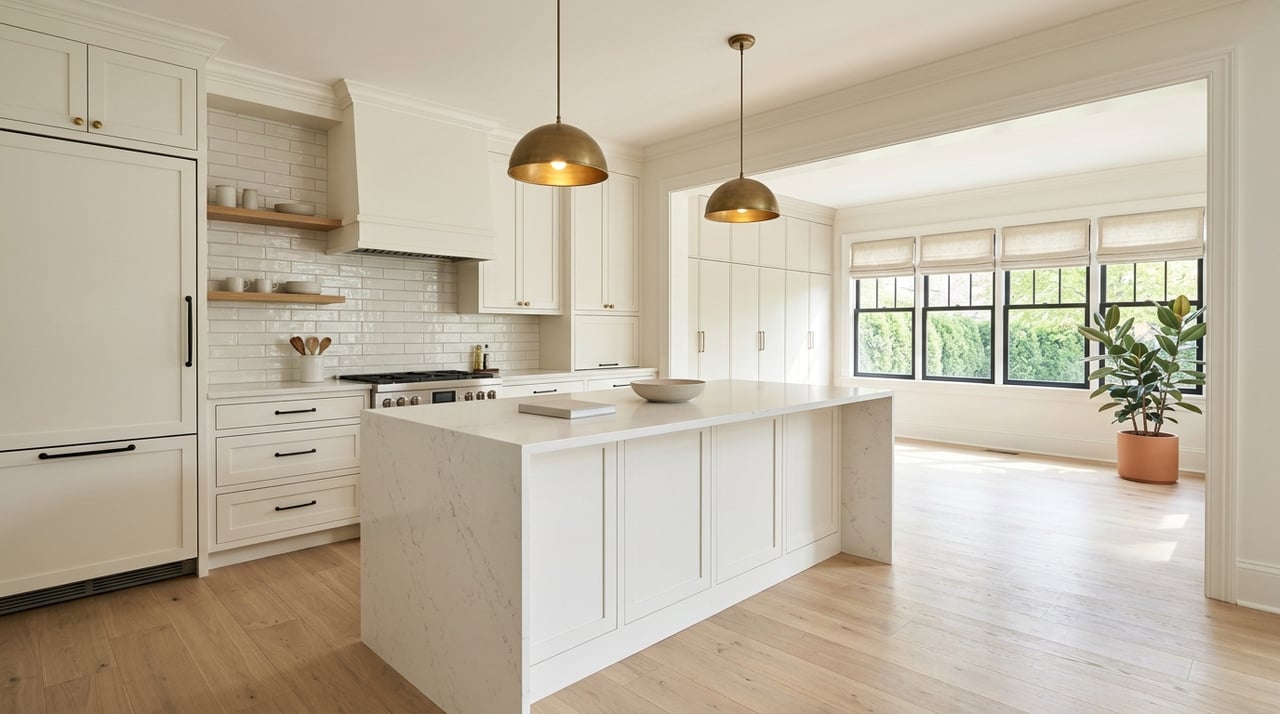
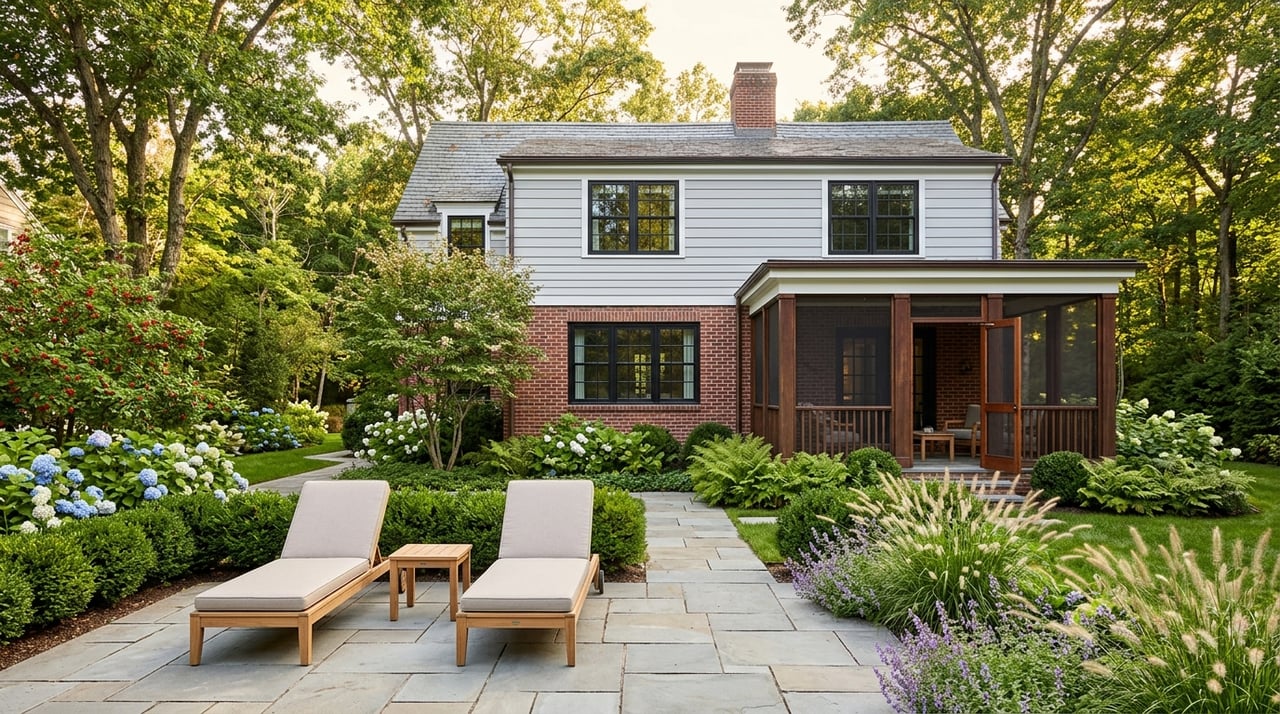
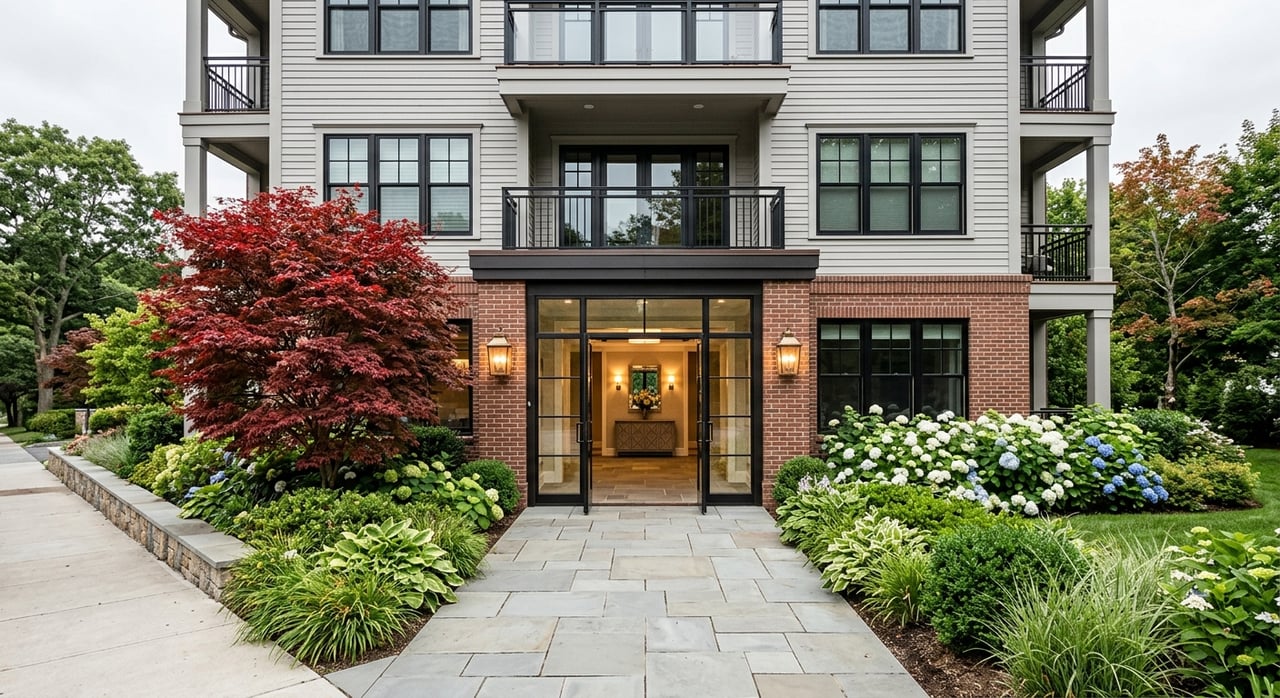
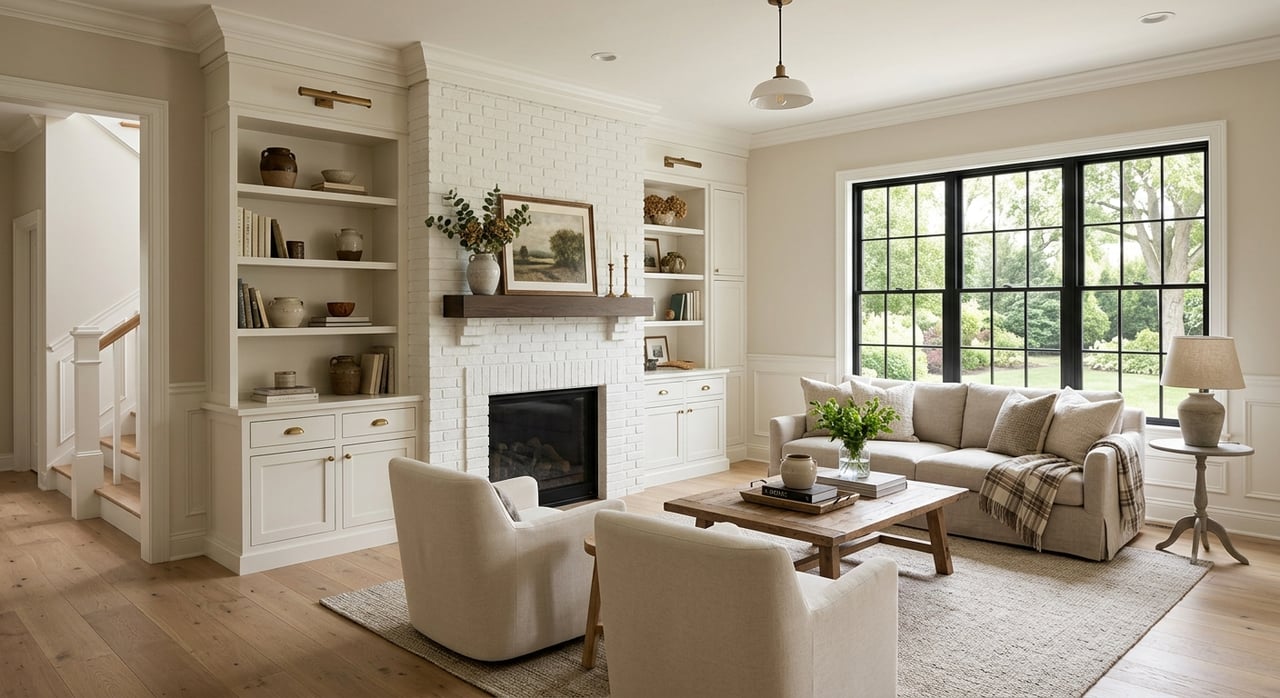
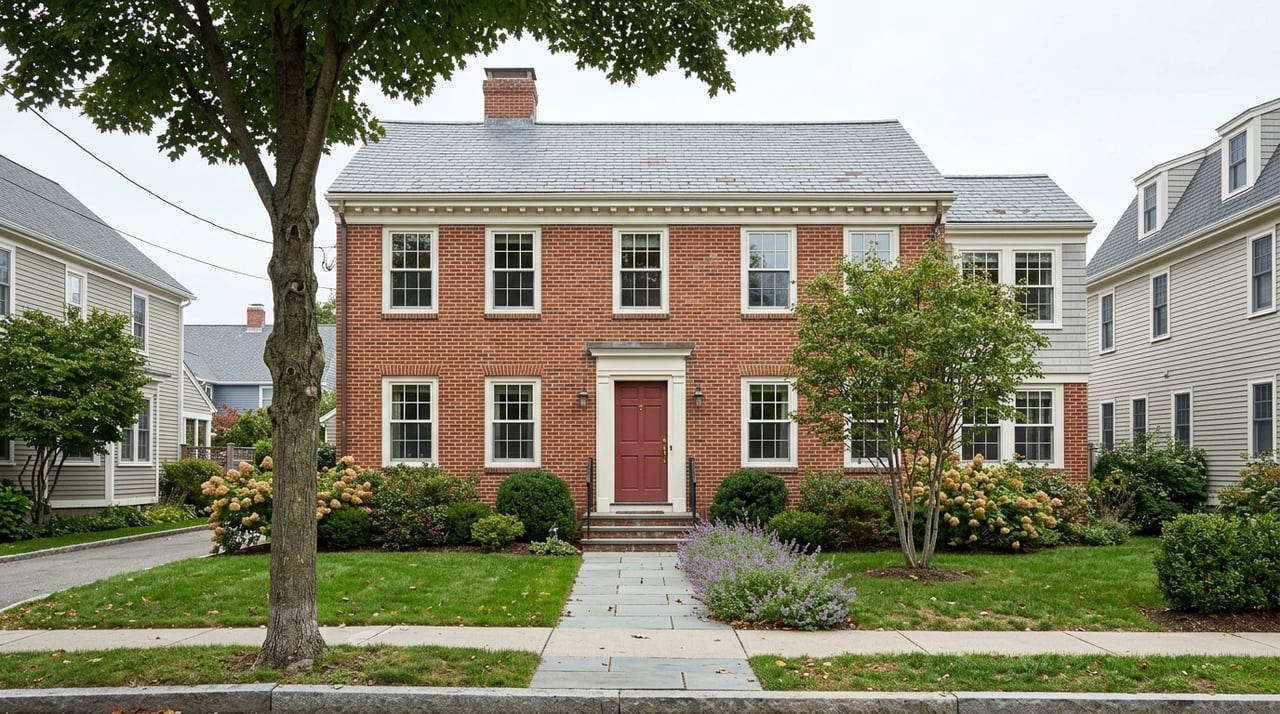
One of Arlington’s biggest strengths is its housing variety. The town’s planning documents point to a broad mix of architectural styles, including Colonial, Georgian, Federal, Greek Revival, Queen Anne, Shingle, mid-century Modern, Colonial-Revival, Dutch Colonial-Revival, and Cape homes.
In practical terms, that means block-by-block character matters here. If you enjoy older homes, established streetscapes, and visual variety, Arlington can be especially appealing. If you want large amounts of new construction or a more uniform housing stock, it may be less aligned with your priorities.
Historic districts and renovation planning
Arlington’s historic character is not just aesthetic. The town has seven local historic districts with more than 300 properties, and exterior design changes in those districts are reviewed for architectural appropriateness.
That does not mean every home comes with the same level of oversight. It does mean you should understand property-specific rules before you buy, especially if renovation plans are part of your long-term vision. For the right buyer, this preservation-minded approach helps protect neighborhood character. For others, it may feel like added complexity.
Flexibility for future living needs
Arlington also highlights accessory dwelling units as a way to support aging in place, create independent space for family members, or generate supplemental income. That is useful context if you are thinking not just about your next move, but about how a property could support changing needs over time.
For multigenerational households or buyers who want more flexibility in how they use space, that can make Arlington worth a closer look. As always, the details depend on the specific property and applicable town rules.
Market conditions to know
Arlington is in a high-cost, competitive tier. Recent market snapshots put the average home value at $1,081,431, with homes going pending in around seven days. Another March 2026 snapshot placed the median sale price around $1.1 million, and Realtor.com described Arlington as a seller’s market in March 2026.
Other Census ACS figures add useful context. Median owner-occupied home value was $933,800, median gross rent was $2,082, median household income was $150,701, and mean travel time to work was 32.2 minutes.
The exact numbers vary by source and methodology, but the overall message is consistent. Arlington tends to reward buyers who are financially prepared, clear on priorities, and ready to act in a competitive environment.
Who Arlington tends to suit best
Arlington is not a universal fit, and that is actually helpful to know upfront. The goal is not to force the town to fit your wish list. The goal is to see whether its strengths line up with how you want to live.
A strong fit for many buyers
Arlington may be a strong match if you want:
- A close-in location with access to Boston and Cambridge
- Walkable commercial areas and local dining
- Parks, trails, and bikeway access as part of everyday life
- Older homes with architectural variety and established streetscapes
- A complete public school system, including seven elementary schools, two middle schools, and Arlington High School
- Flexibility to think long-term about housing needs, including ADU potential in some cases
A town to compare carefully
You may want to compare Arlington with nearby options if your top priorities include:
- A tighter budget in a high-cost market
- A quieter or more purely suburban feel
- Heavy preference for new-construction inventory
- A commute centered almost entirely on direct rail access
How to decide if Arlington is your right move
The best way to evaluate Arlington is to focus on your real daily patterns, not just your broad wish list. Think about how you commute, how often you use parks or local business districts, how much home character matters to you, and whether you are comfortable in a competitive price tier.
It also helps to think in trade-offs. Arlington offers location, character, outdoor access, and a lively town fabric. In return, you may be taking on a higher price point, an older housing stock, and in some cases more planning around renovations or commuting.
If that balance sounds right, Arlington can be a compelling next move. And if you want help comparing Arlington with other Greater Boston suburbs, Rutledge Properties can guide you with direct, local advice and hands-on support from consultation through closing.
FAQs
Is Arlington, MA more urban or suburban?
- Arlington is best described as an inner-suburban town with an urban-suburban balance. It is compact, established, and neighborhood-based, with walkable business districts and close proximity to Boston and Cambridge.
Is Arlington, MA good for commuting to Boston or Cambridge?
- Arlington offers strong regional access, including nearby bus routes, close access to Alewife Station in Cambridge, Route 2, and short-distance connections to I-93 and I-95. It is workable for many commuters, but it does not have its own subway stop.
What kind of homes are common in Arlington, MA?
- Arlington has a varied housing stock that includes Colonial, Georgian, Federal, Greek Revival, Queen Anne, Shingle, mid-century Modern, Colonial-Revival, Dutch Colonial-Revival, and Cape homes.
Is Arlington, MA an expensive housing market?
- Yes. Recent market snapshots place Arlington around the low-$1.1 million range for average home value or median sale price, and homes have been moving quickly in a seller’s market environment.
Are there historic district rules in Arlington, MA?
- Yes. Arlington has seven local historic districts with more than 300 properties, and exterior design changes in those districts are reviewed for architectural appropriateness.
Does Arlington, MA offer parks and bike access?
- Yes. Arlington features parks such as Spy Pond Park, Menotomy Rocks Park, and The Great Meadows, along with access to the Minuteman Bikeway and Bluebikes.