If you want a MetroWest town that feels active day to day, Natick deserves a close look. You may be searching for a place with a real downtown, practical commuting options, and enough local amenities to make everyday life easier. Natick stands out because it brings those pieces together in one community. Let’s dive in.
Why Natick draws so much interest
Natick is a MetroWest town of about 37,316 residents with an established housing base and a meaningful commuter population. According to U.S. Census QuickFacts, about 68.2% of homes are owner-occupied, the median owner-occupied value is $821,000, and the mean travel time to work is 30.7 minutes.
Those numbers help explain Natick’s appeal. You get the feel of a well-rooted suburb, but not one that is only residential. With a median household income of $138,538 and roughly 15,777 housing units, Natick offers a mix of stability, activity, and regional access that many buyers want.
Natick Center gives the town its rhythm
For many people, the heart of Natick is Natick Center. The town describes it as a bustling downtown with retail, commercial, residential, cultural, and civic uses, along with access to Boston via commuter rail, MWRTA buses, Route 9, and I-90 in its planning materials.
That matters because downtown is not just a nice-to-have feature here. It is part of how the town functions on a daily basis. If you value being able to mix errands, dining, cultural outings, and transit access in one area, Natick Center is a big part of the story.
A historic downtown feel
Natick’s older New England character is not accidental. Town planning materials note three local historic districts and 487 historic resources, which help shape the look and feel around Natick Center and South Natick.
For buyers, that often translates into a town center with more texture and identity than a newer suburban retail strip. You can feel that history in the public spaces, street patterns, and older buildings that help define the area.
The Common anchors community life
The Natick Common is one of the clearest examples of how community life shows up in town. Acquired in 1841, it includes a gazebo, benches, and historic monuments, and it continues to serve as a major gathering space.
The Common hosts Natick Days, which the town says draws several thousand people each year. It is also home to the weekly Natick Farmers Market, founded in 1996 by Natick Center Associates and held on Saturdays, shifting seasonally between the Common and the Common Street Spirituality Center.
Arts, culture, and everyday convenience
Natick offers more than a pretty downtown. It also has cultural and civic anchors that make the town feel active beyond the workweek.
The Morse Institute Library sits in the heart of downtown and houses 200,000 books, magazines, newspapers, DVDs, CDs, and audiobooks. Nearby, TCAN adds concerts, theater, film screenings, and a 270-seat mainstage to the local mix.
Together, those spots support what the town describes as a destination for arts, culture, dining, shopping, business, special events, and community. If you want a suburb with places to go and things to do without always heading into Boston, Natick checks that box.
Natick balances downtown and big retail
One thing that makes Natick different from some nearby towns is that it has two distinct activity hubs. You have the walkable, community-oriented feel of Natick Center, and you also have a major regional shopping and dining destination.
The Natick Mall sits on Worcester Street in the Golden Triangle area and is described on its official site as greater Boston’s destination of choice for family-friendly shopping and dining. In practical terms, that means your daily life can include both local storefronts downtown and larger-scale retail close by.
For some buyers, that mix is a real advantage. You can enjoy a classic town-center atmosphere while still having easy access to larger shopping and dining options in town.
Commute options in Natick
If your workweek involves Boston, Cambridge, Framingham, or other regional destinations, commute flexibility may be high on your list. Natick offers several ways to get around, which is one reason it remains attractive to people who want options.
The town is served by the MBTA Framingham/Worcester commuter rail line, with two stops in town: Natick Center and West Natick. According to the town’s transit page, MWRTA fixed-route buses also run through Natick, and the Natick Connector provides local door-to-door rides for residents who are seniors or have disabilities.
Rail and bus connections
MWRTA service connects key destinations such as Natick Center station, Natick Mall, MathWorks campuses, Framingham station, and Woodland MBTA station. That can be helpful if you want to reduce how often you rely on a car for every trip.
At the same time, Natick is not a transit-only town. It works well for people who want commuter rail access but still expect to drive regularly for work, errands, or weekend plans.
Major roads support car travel
Natick’s parking and driving information lists Route 9, I-90, Route 27, Route 30, and Route 135 among the town’s major roadways. That road network supports access across MetroWest and into Greater Boston.
The average commute time of 30.7 minutes reinforces Natick’s role as a regional commuter suburb. If you are looking for a town where rail is available but driving is still practical, Natick offers that balance.
What the housing mix looks like
Natick’s housing options are broader than many buyers expect. The town’s 2021 Housing Production Plan notes that multifamily housing is allowed in the Residential Multiple district and by special permit in Downtown Mixed-Use, while townhouse clusters and small single-family cottages can also appear through cluster subdivision rules.
The same plan identifies Natick Center, West Natick, the Golden Triangle, and the Route 9/Route 27 area as opportunity areas for more housing. It also notes that market-rate rentals are concentrated in Natick Center, around the Natick Mall, and in West Natick.
Condos, apartments, and varied living styles
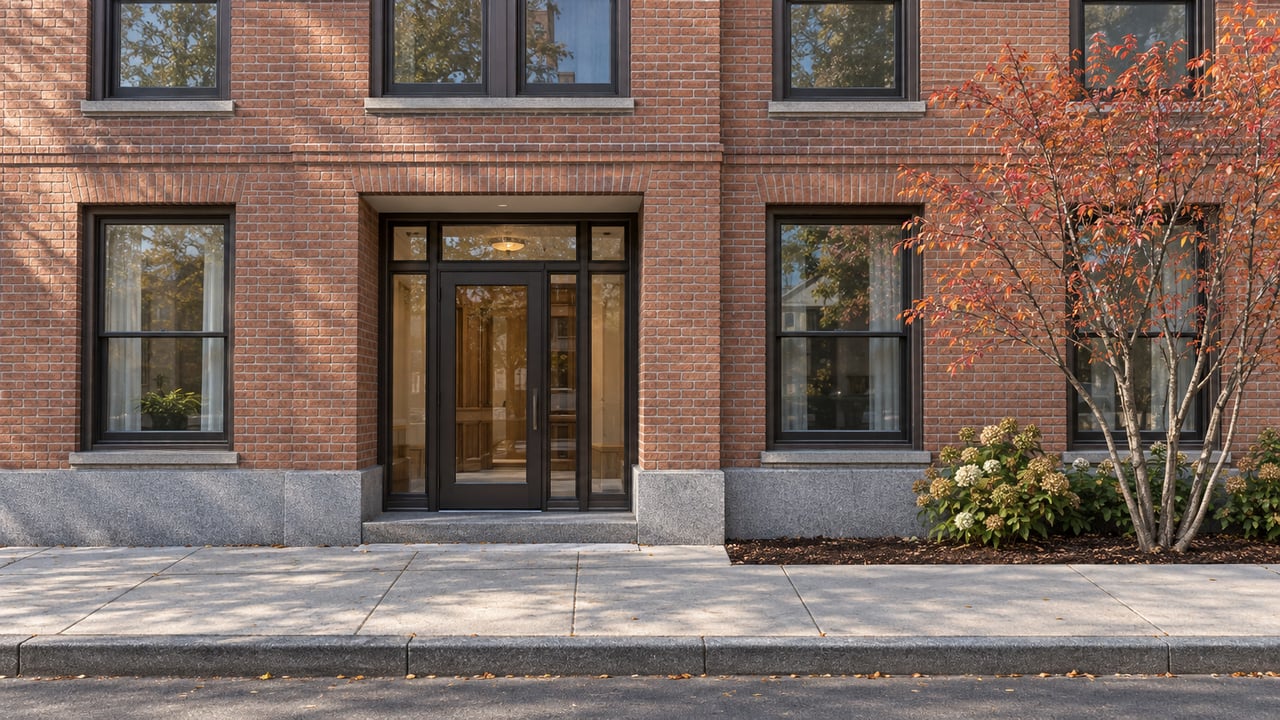
If you are considering condo living or a lower-maintenance move, Natick has visible examples of that housing mix. Natick Village offers one- and two-bedroom condominiums, and its resident handbook says the complex includes 816 units on about 85 acres directly across from West Natick station, with amenities such as a pool, tennis courts, and a health club.
The research also points to Natick Green and Modera Natick Center as examples of the town’s range of residential options. For buyers and downsizers, that variety can create more paths into the community, depending on budget, layout needs, and preferred level of maintenance.
Who tends to like living in Natick
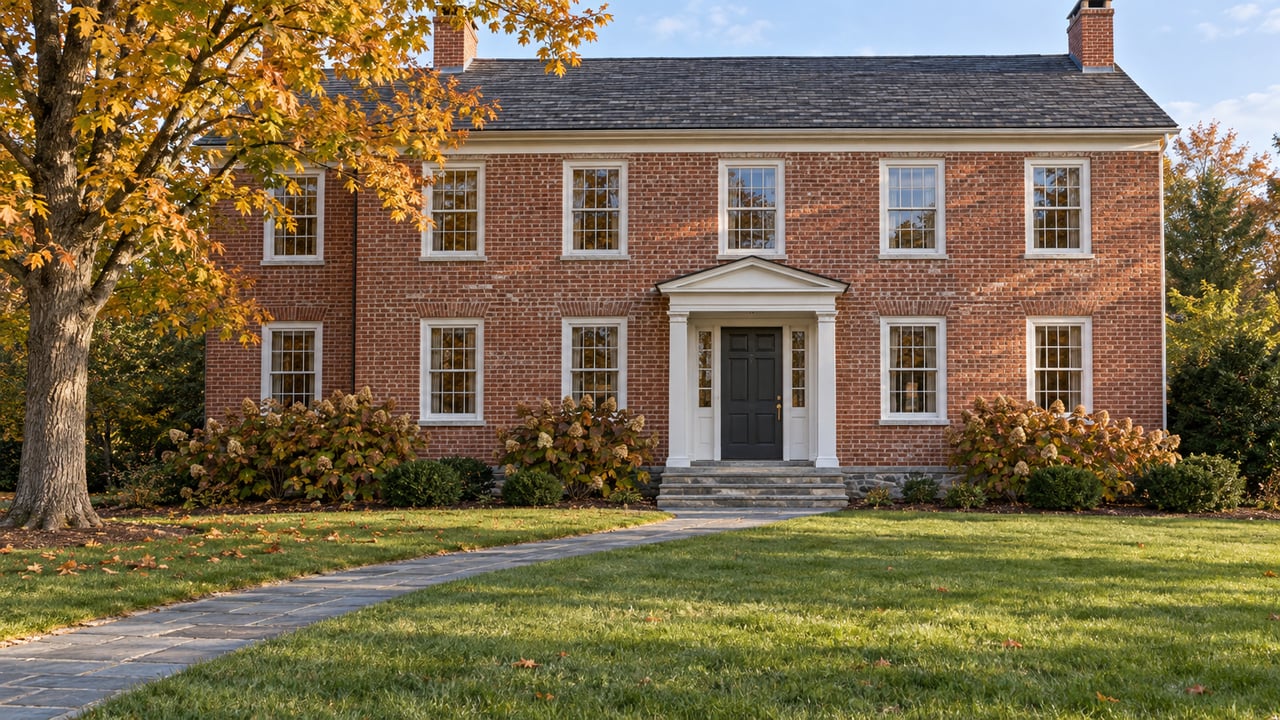
Natick can appeal to different types of buyers because it is not built around just one lifestyle. Some people are drawn to the downtown energy and commuter rail access. Others want proximity to major roads and retail while still living in a town with a recognizable center and community calendar.
You may find Natick especially appealing if you want:
- A town center with shops, events, and civic spaces
- Commuter rail access at Natick Center or West Natick
- Multiple transportation options, including major roads and local bus service
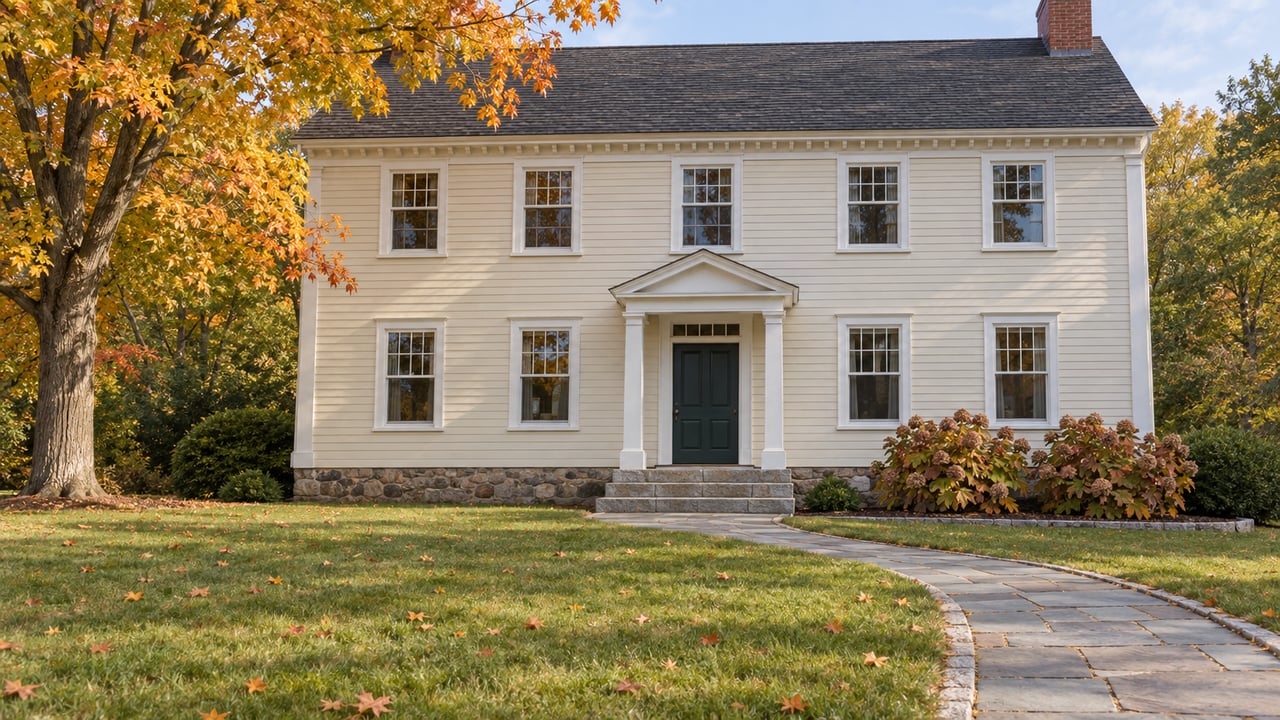
- A mix of housing types, from single-family homes to condos and apartments
- Everyday convenience without giving up a classic MetroWest town feel
The big takeaway on Natick lifestyle
Natick feels more self-contained and amenity-rich than a suburb that is only a place to sleep between commutes. The combination of a historic common, cultural venues, weekly farmers market, commuter rail service, and a large mall district gives the town a daily rhythm that many buyers find appealing.
That does not mean every part of Natick feels the same. But as a whole, the town offers a useful blend of community activity, convenience, and regional access. If you are trying to balance lifestyle, commute, and housing choice in MetroWest, Natick is easy to understand once you see how those pieces fit together.
If you are thinking about buying or selling in Natick, working with a local team can help you compare housing options, commute patterns, and property value from one area of town to another. Rutledge Properties offers hands-on guidance for buyers, sellers, relocations, and downsizing moves across MetroWest, with direct agent support from consultation through closing.
FAQs
What is Natick Center like for daily life?
- Natick Center is the town’s downtown core, with retail, dining, civic uses, cultural venues, and commuter rail access, which makes it one of the main hubs for everyday activity.
How do commuters get around from Natick?
- Natick has two MBTA Framingham/Worcester commuter rail stops, MWRTA bus service, local connector service for eligible riders, and access to major roads including Route 9 and I-90.
What kinds of homes can you find in Natick?
- Natick includes a mix of housing types, including single-family homes, condominiums, apartments, multifamily housing, and townhouse-style options in certain areas.
Is Natick a good fit if you want walkability and convenience?
- Natick can be a strong fit if you want a town center, regular community events, shopping and dining options, and access to both transit and major roadways.
Where are some key housing areas in Natick?
- The town’s housing plan highlights Natick Center, West Natick, the Golden Triangle, and the Route 9/Route 27 area as important locations for existing and future housing opportunities.