If Belmont is on your shortlist, you already know the challenge: this is not a market where you can wait a week, think it over, and expect the right home to still be there. Buyers are navigating limited inventory, high price points, and homes that can move quickly. The good news is that you do not need to be reckless to be competitive. With the right preparation, a clear budget, and a smart offer strategy, you can move with confidence when the right opportunity appears. Let’s dive in.
Belmont market conditions
Belmont remains a tight market by almost any measure. Recent data paints a slightly different picture depending on the source, but the overall story is consistent: prices are high, inventory is limited, and buyers need to be ready. Zillow estimated Belmont home values at $1,409,985 as of February 28, 2026, while Redfin’s February 2026 data reported a median sale price of $1.32 million and 61 days on market.
Other sources point to a similarly competitive environment. Realtor.com’s Belmont market overview showed 17 homes for sale, a 99% sale-to-list ratio, and 31 median days on market. Meanwhile, the Massachusetts Association of REALTORS February 2026 Belmont report showed a year-to-date median single-family sales price of $1.6 million with just 1.0 months’ supply of inventory.
That matters because Belmont is notably tighter than the broader state market. Realtor.com’s Massachusetts overview reported a statewide median home sale price of $690,000 and 40 median days on market in February 2026. In plain English, Belmont buyers should expect a faster pace, more competition, and less negotiating room than the average buyer elsewhere in Massachusetts.
Belmont is not one market
A common mistake is treating Belmont like one uniform price band. In reality, neighborhood-level data shows meaningful differences in pricing, which should shape how you search and how you bid. A strategy that fits one part of town may not fit another.
According to Realtor.com’s neighborhood data for Belmont, median home prices in February 2026 were about $2.4 million in Belmont Hill, $1.495 million in Belmont Center, $1,099,900 in Cushing Square, and $779,900 in Waverley Square. That range is wide enough that you should think in terms of micro-markets, not just town-wide averages.
For you as a buyer, that means two things. First, your budget may stretch differently depending on where you focus. Second, comparable sales and offer strategy should be tied to the specific neighborhood and property type, not a headline number for Belmont as a whole.
Why competition stays strong
Belmont’s inventory pressure is not just a short-term blip. The town’s own housing-planning materials suggest that supply has been constrained for a long time, even as Belmont works on tools such as the Housing Production Plan, MBTA Communities overlay, inclusionary zoning, and an ADU bylaw.
The housing stock also helps explain why buyers often face limited choice. Belmont reporting shows that much of the town is made up of an older, relatively fixed housing base. Town materials note that over two-thirds of ownership units are detached single-family homes, nearly 60% of homes were built before 1940, and just over 6% were built since 2000, based on the town’s housing production materials and annual report data.
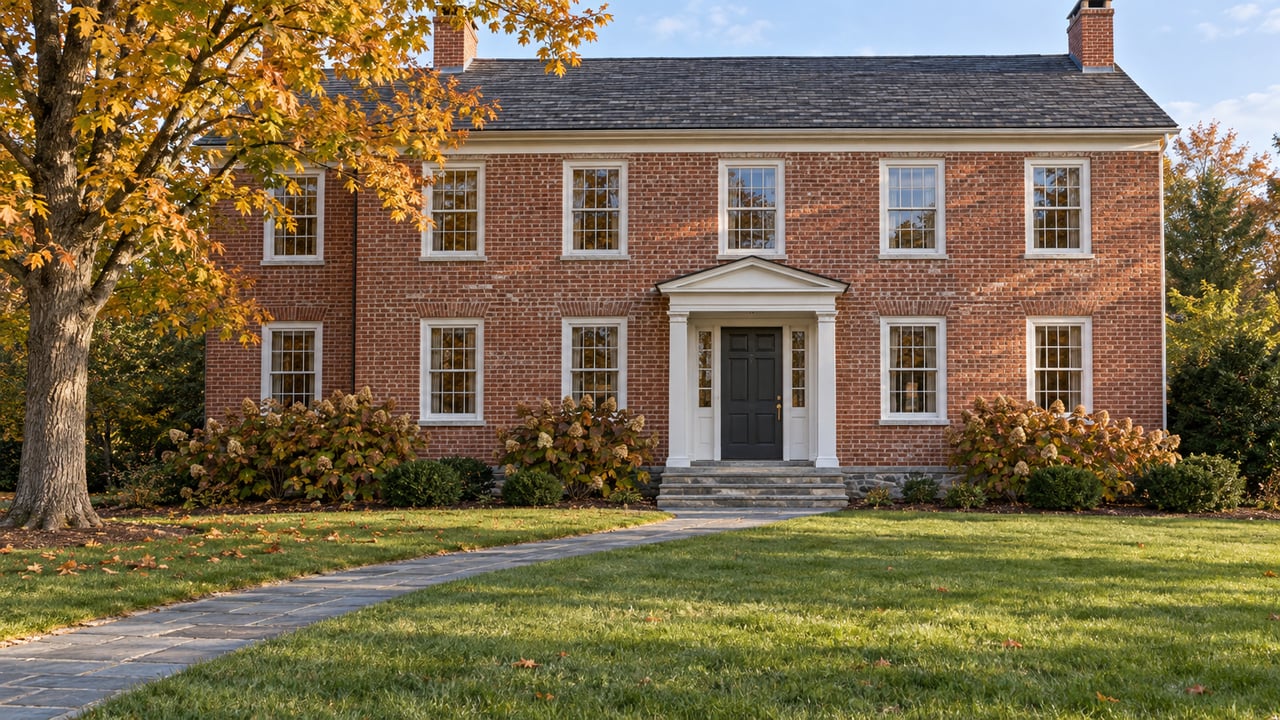
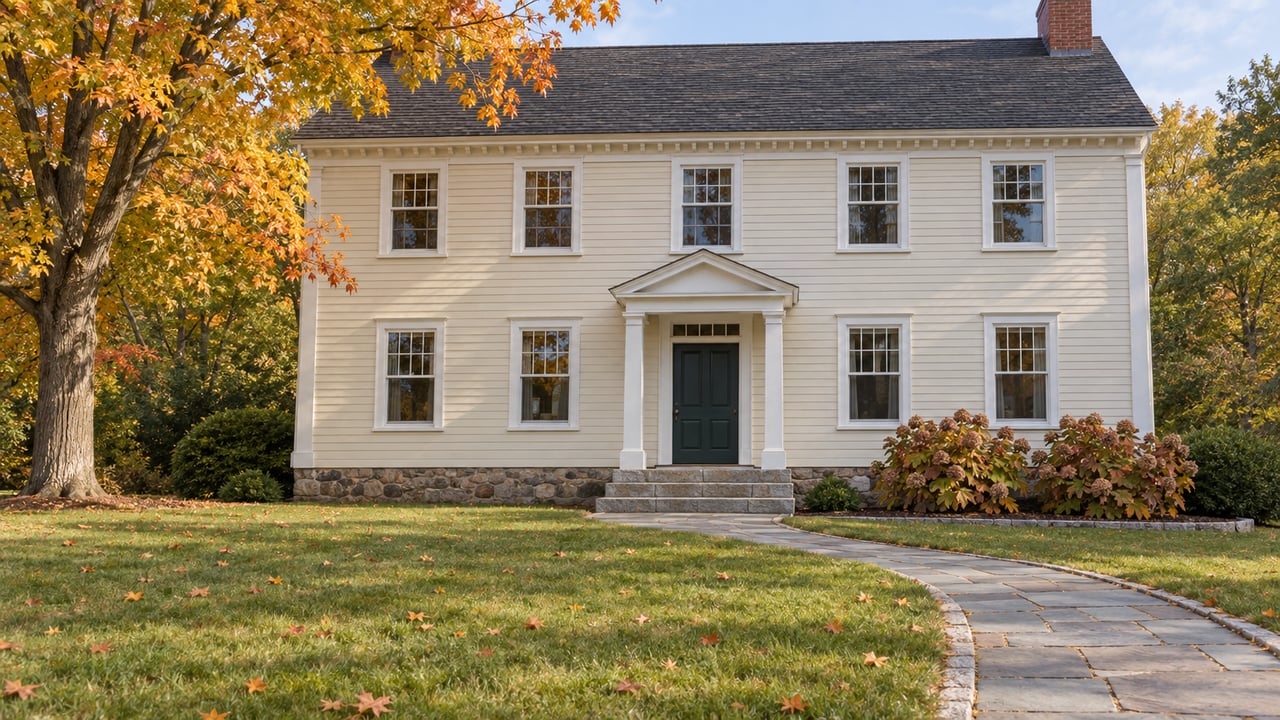
That has practical implications when you shop. In Belmont, you are often choosing among older homes with character, updates of varying quality, and systems or maintenance items that may need attention. You may not find a long list of move-in-ready options, so part of winning here is knowing where you are comfortable taking on work and where you are not.
Start with financing strength
In a market this competitive, financing prep is not a box to check later. It is part of your offer strategy from day one. Sellers want to see that you are serious, organized, and capable of closing on time.
The Consumer Financial Protection Bureau’s homebuying guidance recommends getting financially organized early, checking your credit, and shopping loan options before you start seriously pursuing homes. CFPB also advises asking at least three lenders for preapproval, and its loan estimate guidance says comparing offers can save about $600 to $1,200 per year.
Freddie Mac notes that preapproval is not a loan guarantee, but it does help show sellers that you are a credible buyer. Fannie Mae also advises asking lenders about turnaround times for preapproval, appraisal, and closing. In Belmont, where timing matters, those details can affect whether your offer feels smooth and reliable.
It is also worth clearing up one myth: you do not need a 20% down payment to buy. CFPB explains that buyers who put down less than 20% may need mortgage insurance, so the issue is usually monthly cost, not eligibility. If Belmont prices make 20% down unrealistic, that does not automatically take you out of the running.
Build your buyer game plan
Before you tour seriously, it helps to have a plan for more than just price. In Belmont, your strongest position comes from having the moving pieces lined up ahead of time.
Here is what that usually means:
- Get fully preapproved before the right home hits the market.
- Ask your lender about realistic closing timelines.
- Know your maximum monthly payment, not just your top purchase price.
- Set a renovation reserve for an older home.
- Be ready to schedule showings and inspections quickly.
- Decide in advance which terms are flexible and which are not.
This kind of preparation helps you act fast without making emotional decisions. It also lets you write a cleaner offer because you have already worked through your financing, timing, and risk tolerance before the pressure ramps up.
Write a strong offer without overpaying
In a competitive market, many buyers assume the only way to win is to offer far above asking. Belmont data suggests a more nuanced reality. Homes are often selling close to list price, and that means the best offer is not always the wildest one.
The latest Belmont market report from ShowingTime and MAR shows a market with around 1.0 to 1.1 months of inventory and close-to-list pricing. That supports a strategy built on speed, clarity, and confidence rather than chasing a home far beyond your comfort zone.
A competitive offer in Belmont is often:
- Well-priced based on recent neighborhood comparables
- Clean with fewer avoidable delays
- Credible because your financing is already lined up
- Responsive to the seller’s timing when possible
- Disciplined because you know your ceiling before you bid
That last point matters most. In a market with limited supply, it is easy to confuse urgency with value. Staying grounded in real data helps you compete hard when it makes sense and step back when it does not.
Handle contingencies carefully
This is where strategy and risk management meet. Buyers sometimes feel pressure to waive contingencies to keep up with the market, but that decision should be made with a full understanding of what you are giving up.
The CFPB’s inspection guidance treats a home inspection as an important form of buyer protection. If your contract is contingent on a satisfactory inspection, you can usually cancel without penalty if major issues arise. CFPB also recommends scheduling the inspection as soon as possible and attending if you can.
That advice matters even more in Belmont because so much of the housing stock is older. Older homes can come with deferred maintenance, aging systems, or renovation surprises. If you are considering trimming or waiving contingencies, make sure the decision fits both the property and your financial cushion.
Appraisal risk is also worth planning for. CFPB notes that if an appraisal comes in below the purchase price, that can create room to renegotiate or, depending on the contract, cancel the deal. Lenders may also require certain repairs before closing. In a higher-price market, those details can have a real impact on your cash needs.
Budget for the full monthly cost
Your offer price is only part of the affordability picture. Belmont’s property taxes are significant enough that they should be part of your budget from the start, not an afterthought.
According to Belmont’s real estate and tax information, the FY2026 tax rate is $11.51 per $1,000 of assessed value. The town’s FY2025 classification hearing materials showed an average single-family assessment of $1,648,400 and an average annual tax bill of $18,775.27.
When you translate that into monthly ownership costs, the impact is meaningful. Add taxes to principal, interest, insurance, maintenance, and a renovation reserve, and the payment can look very different from the mortgage number alone. For many buyers, this is the difference between feeling comfortable after closing and feeling stretched.
What winning really looks like
In Belmont, winning does not always mean offering the highest number or waiving every protection. More often, it means showing up prepared, understanding the neighborhood you are targeting, and making a strong, data-based offer the moment the right home appears.
That is where hands-on guidance can make a real difference. When you have a direct line to an experienced advisor, a clear process, and a strategy tailored to your budget and timing, the market feels a lot more manageable. If you are planning a move in Belmont, Rutledge Properties can help you build a smart buying plan, move quickly when needed, and stay grounded through every step.
FAQs
What makes Belmont, MA competitive for home buyers?
- Belmont has high home prices, low inventory, and homes that often sell close to asking price, with recent reports showing about 1.0 months of supply.
How much do homes cost in different Belmont neighborhoods?
- Recent Belmont neighborhood data showed median prices around $2.4 million in Belmont Hill, $1.495 million in Belmont Center, $1,099,900 in Cushing Square, and $779,900 in Waverley Square.
Do you need 20% down to buy a home in Belmont?
- No. CFPB says buyers can purchase with less than 20% down, though that may mean paying mortgage insurance and a higher monthly cost.
Should buyers waive a home inspection in Belmont?
- Buyers should be cautious, especially because many Belmont homes are older. An inspection contingency can provide important protection if major issues are discovered.
How should buyers budget for Belmont property taxes?
- Buyers should include Belmont’s FY2026 tax rate of $11.51 per $1,000 of assessed value in their monthly cost planning, along with insurance, maintenance, and any renovation reserve.