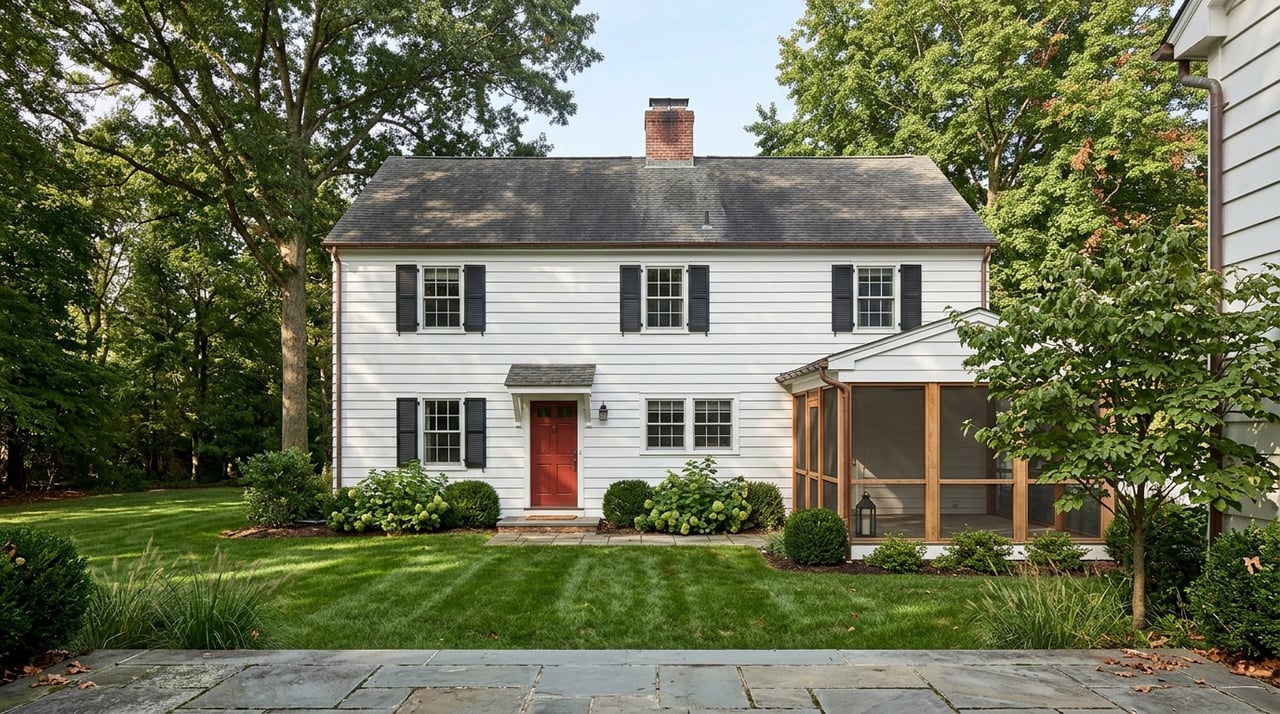
If you are drawn to MetroWest for a little more breathing room, Wayland is the kind of town that tends to make your short list fast. It offers a mostly residential setting with a semi-rural feel, plus access to Boston, Route 128, and the Massachusetts Turnpike, which is why so many buyers end up weighing yard size, nature access, and commute routines all at once. If you are trying to decide whether Wayland fits your day-to-day life, this guide will help you look past the listing photos and focus on what really matters. Let’s dive in.
What Wayland’s setting feels like
Wayland is described by the Town as a mostly residential MetroWest community that preserves open space and a semi-rural landscape. It also sits roughly halfway between Boston and Worcester, which helps explain its appeal for buyers comparing suburbs across the region.
In practical terms, that often means you are not just buying a house in Wayland. You are also choosing a certain rhythm of life, one that may include more yard space, more trees, and easier access to trails and water than you might find in a denser suburb.
Commute expectations in Wayland
One of the biggest things to understand up front is transportation. Wayland does not have MBTA bus or rail service in town, and commuter rail access is available in nearby communities such as Weston, Lincoln, Framingham, Natick, and Wellesley.
That makes Wayland more car-dependent than a suburb with an in-town rail stop. If your weekly routine depends on train access, it is worth comparing not just drive times, but also how far you would need to go for rail service and how that changes your morning and evening schedule.
For some buyers, that tradeoff feels well worth it for the residential setting. For others, being in a rail-served town may be the better fit. The key is to match the town to your actual routine, not just your ideal one.
Daily errands and local convenience
Wayland’s day-to-day convenience is shaped by its village-style centers rather than a large, dense downtown. Town planning materials identify Wayland Center and Cochituate Village as the town’s two centers, with roles as gathering places for shopping, socializing, doing business, and attending events.
The Town also points to major commercial properties such as Wayland Village and Town Center. That gives you local options for regular errands and everyday needs, even though the overall retail pattern is more spread out than in some neighboring communities.
For broader shopping and dining, many residents look regionally. Town materials highlight the Route 9 corridor in Natick and Framingham for larger retail and dining options, along with nearby Wellesley for additional shopping and dining.
Outdoor access is a real lifestyle feature
For many buyers, Wayland’s recreation network is not just a nice extra. It is one of the town’s defining features. The Town highlights conservation trails for walking, hiking, and snowshoeing, along with fields, parks, and playgrounds.
Wayland Town Beach is another standout feature. Located on North Pond, it offers freshwater swimming, seasonal lifeguards, boat rentals, boating, and swimming lessons as part of Lake Cochituate.
Wayland is also part of the Mass Central Rail Trail effort. The Town notes that a three-mile section of the abandoned Mass Central Rail Line bisects Wayland, with planning focused on recreation and pedestrian and bicycle access.
If you picture yourself using trails before work, heading to the beach in summer, or simply wanting nearby open space as part of your routine, this part of Wayland deserves real weight in your home search. In a suburban market, outdoor access can shape how a location feels every single day.
What housing you are likely to see
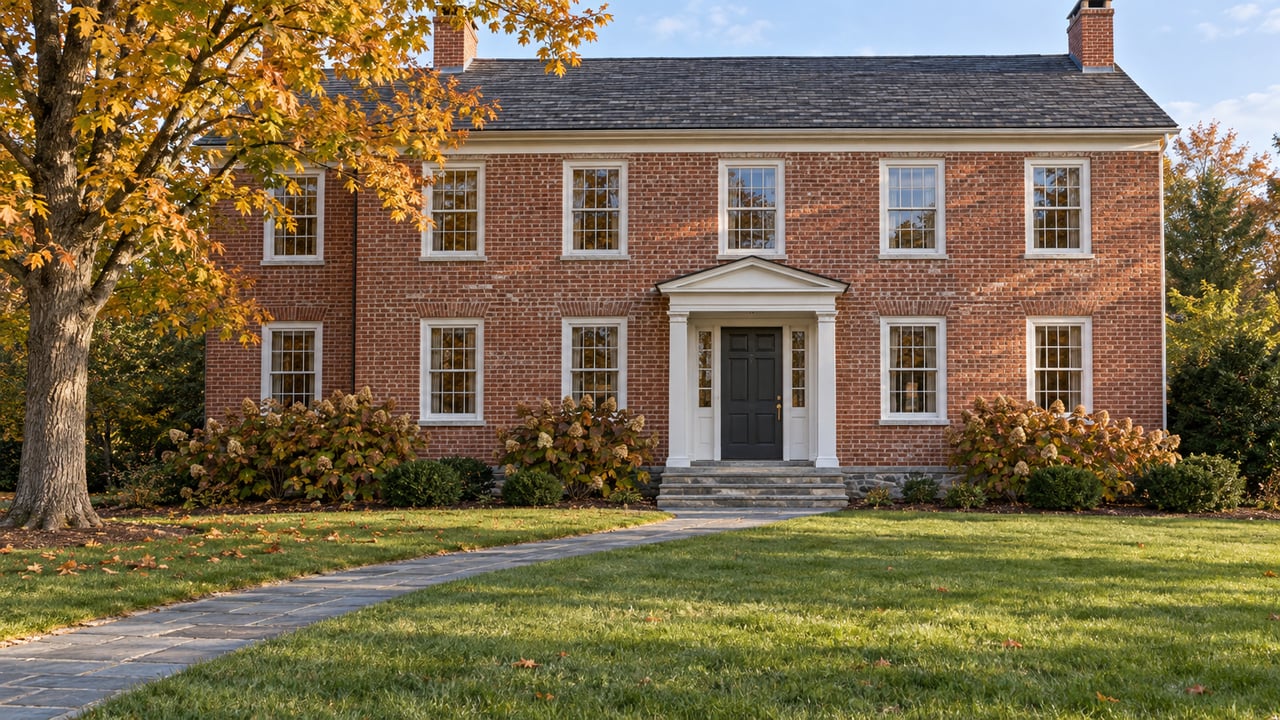
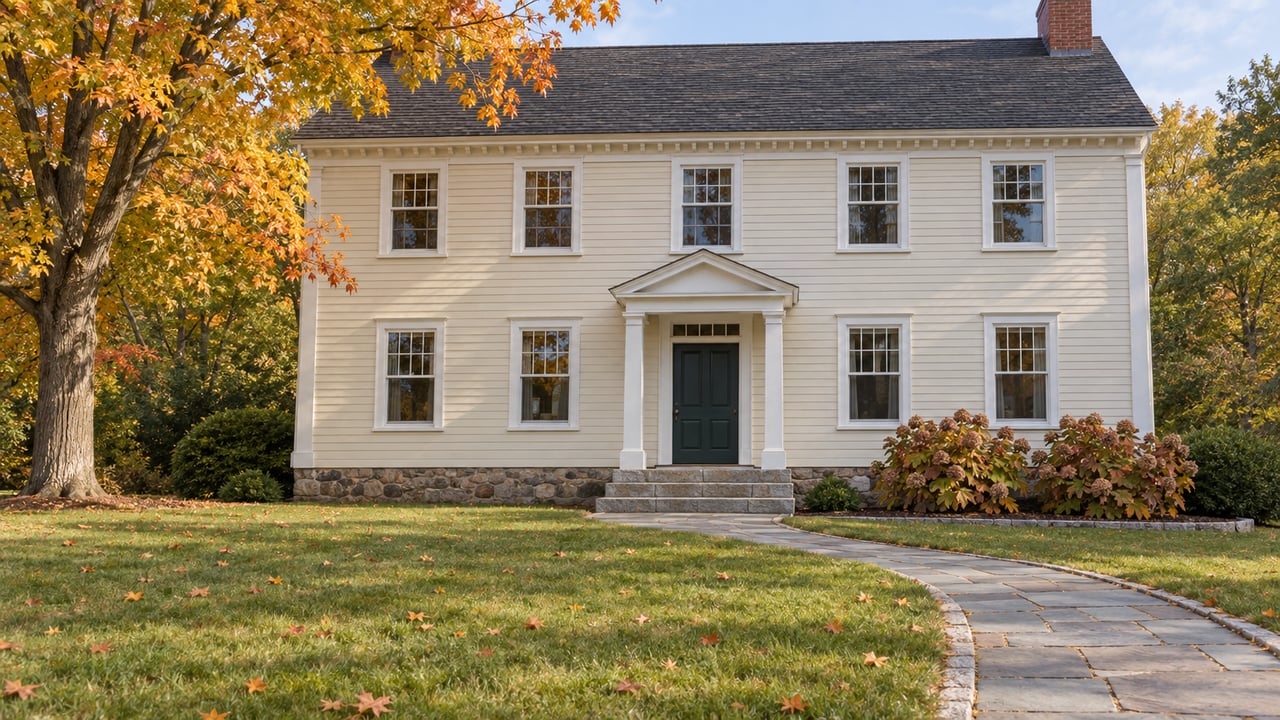
Wayland’s housing stock is heavily weighted toward single-family homes. According to the Town’s Housing Production Plan, just over 90 percent of housing units are in single-unit structures, mostly detached, while less than 5 percent are in buildings with five or more units.
The same plan also notes a relatively high number of attached one-unit homes, such as condominiums or townhouses. That means you may see some variety, but the overall pattern remains strongly single-family.
For buyers, that matters because the suburban setting is closely tied to the kinds of homes available. If you are looking for a detached home on a larger lot, Wayland may line up well with your goals. If you want a denser, more walk-everywhere housing pattern, you may find fewer options here.
Why lot size matters in Wayland
In Wayland, lot size is not just a number buried in the listing sheet. It is often a major part of how a property lives. Town zoning for single-residence districts includes R20, R30, R40, and R60, with minimum lot areas of 20,000, 30,000, 40,000, and 60,000 square feet, along with minimum frontage requirements ranging from 120 to 210 feet.
Those rules reinforce the town’s lower-density pattern, but they do not mean every property will feel the same. Actual parcel shape, frontage, setbacks, easements, and floodplain conditions can all affect how much usable outdoor space a home really offers.
This is why two homes with similar square footage can feel very different in person. One may offer more privacy or a more functional backyard, while another may have site constraints that are not obvious from photos alone.
How to compare listings more carefully
When you are shopping in Wayland, it helps to evaluate each home through a local lens. A listing may say “spacious lot,” but the details behind that claim can vary quite a bit.
Here are a few smart checks to make as you compare homes:
- Confirm the exact zoning district before assuming a lot will have the dimensions you expect. Wayland’s single-residence districts range from R20 to R60.
- Review parcel details if lot shape, frontage, easements, or floodplain conditions could affect usable yard space.
- Compare commute mode, not just mileage or estimated drive time, since there is no MBTA bus or rail service in town.
- Look at convenience by location. Some homes are better positioned for Wayland Center, Cochituate Village, Wayland Village, or Town Center than others.
- Compare outdoor access from street to street, especially if trails, the rail-trail corridor, or Town Beach matter to your lifestyle.
These are the kinds of details that can change whether a home simply looks good online or truly works for you long term.
Matching your priorities to the town
Wayland often appeals to buyers who want a quieter residential setting and who value open space, trails, and a largely single-family housing pattern. It can be a strong fit if you want more room around you and are comfortable with a more regional approach to rail access and large-scale shopping.
That does not make it the right fit for everyone, and that is exactly the point. The best home search is not about finding the most impressive house on paper. It is about finding the town and property combination that supports the way you actually live.
A practical way to choose well
If Wayland is on your list, the smartest next step is to compare homes with the town’s suburban setting in mind. Instead of asking only, “Do I like this house?” ask, “How will this location, lot, and commute pattern feel on an ordinary Tuesday?”
That shift usually leads to better decisions. It helps you focus on the features that are harder to change later, such as lot usability, access to local centers, and how close you are to the outdoor amenities that make Wayland distinctive.
If you want help weighing Wayland against nearby MetroWest options, Rutledge Properties offers hands-on guidance with direct agent support from consultation through closing, so you can make a confident decision with local insight at every step.
FAQs
What kind of housing is most common in Wayland?
- Wayland’s housing stock is primarily single-family, with just over 90 percent of housing units in single-unit structures, mostly detached, according to the Town’s Housing Production Plan.
Does Wayland have commuter rail or MBTA service?
- No. Town materials state that Wayland has no MBTA bus or rail service in town, and rail access is available in neighboring communities.
Where do Wayland residents handle everyday errands?
- Town materials identify Wayland Center and Cochituate Village as the town’s traditional centers for shopping, socializing, business, and events, with Wayland Village and Town Center also noted as major commercial properties.
What outdoor amenities does Wayland offer homebuyers?
- The Town highlights conservation trails, parks, playgrounds, and Wayland Town Beach on Lake Cochituate, along with the planned Mass Central Rail Trail corridor through town.
Why should buyers check lot details carefully in Wayland?
- Wayland’s zoning districts have different minimum lot areas and frontage requirements, and parcel details like shape, easements, frontage, and floodplain conditions can affect how usable the outdoor space really is.