What if your everyday walk could pass the spot where the American Revolution sparked to life, then end at a pond that inspired a classic of American literature? If you are weighing a move to MetroWest, Concord offers a rare blend of deep history, wooded open space, and a refined small‑town rhythm. In this guide, you will learn how life in Concord feels week to week, what the town’s homes look like, how people get around, and what recent numbers say about the market. Let’s dive in.
Why Concord stands out
Revolutionary roots you can walk
Concord anchors some of the nation’s most storied Revolutionary sites. The Old North Bridge and surrounding landscapes sit within Minute Man National Historical Park, where trails and interpretive stops connect you to the first day of the Revolution. Residents enjoy regular guided walks and Patriots’ Day commemorations that make history feel close and active.
A literary legacy that shapes place
This is the landscape of Thoreau, Emerson, Alcott, and Hawthorne. The region’s literary thread runs from Walden to village streets, with house museums and seasonal programs that are easy to access. The Concord Museum anchors a year‑round calendar of exhibitions and talks, and you can trace “American‑literature” landmarks on foot around Concord Center.
Historic charm in daily life
Downtown architecture reads like a living timeline, with colonial, Federal, Greek Revival, and Victorian buildings preserved across compact blocks. A stroll along Monument Square and the “American Mile” captures why the center feels so distinct; visitor guides describe these streetscapes well in this local walking overview. Expect a steady flow of history‑themed events layered into a calm, small‑town rhythm.
Nature, trails, and outdoor life
Walden Pond: swimming, trails, and quiet
Walden is both a literary touchstone and a beloved local park. At Walden Pond State Reservation, you can swim in season, walk shoreline loops, and visit the Thoreau replica cabin. It is popular on warm weekends, so check parking and seasonal rules before you go.
Battle Road and everyday trail time
Minute Man National Historical Park offers short hikes, interpretive signs, and scenic connectors that link Concord with Lincoln and Lexington. Beyond the park, Concord maintains an extensive network of protected land and local trails. Town conservation and zoning choices help preserve large swaths of green space, which is a big part of why outdoor time fits easily into weekly routines.
Biking and rail‑trail connections
Cyclists plug into regional routes that continue to grow. The Bruce Freeman Rail Trail and other projects strengthen bike access in the MetroWest corridor; see the regional rail‑trail connections for context on how paths link through Concord and beyond.
Town centers and daily rhythm
Concord Center: museums and main street ease
Concord Center is the historic heart, with Monument Square at its core. You will find museums, cafes, independent shops, and town services within a walkable few blocks. Cultural programming often clusters here, so it is easy to pair errands with a lecture, an exhibit, or a quick coffee.
West Concord: village vibe with transit
About two miles west, West Concord has its own main street feel and the West Concord MBTA commuter‑rail stop. The area leans a bit more mixed‑use and transit‑oriented, with small businesses, studios, and easy hop‑on access for the Fitchburg Line.
Everyday errands and culture
Daily services are spread between the centers, with groceries, pharmacies, and restaurants close at hand. Larger retail options sit in neighboring MetroWest hubs, which is typical for the region. For arts and history, keep an eye on the Concord Museum’s event listings, plus seasonal programming at house museums like Orchard House and The Wayside.
Homes and neighborhoods
What you will see on tour
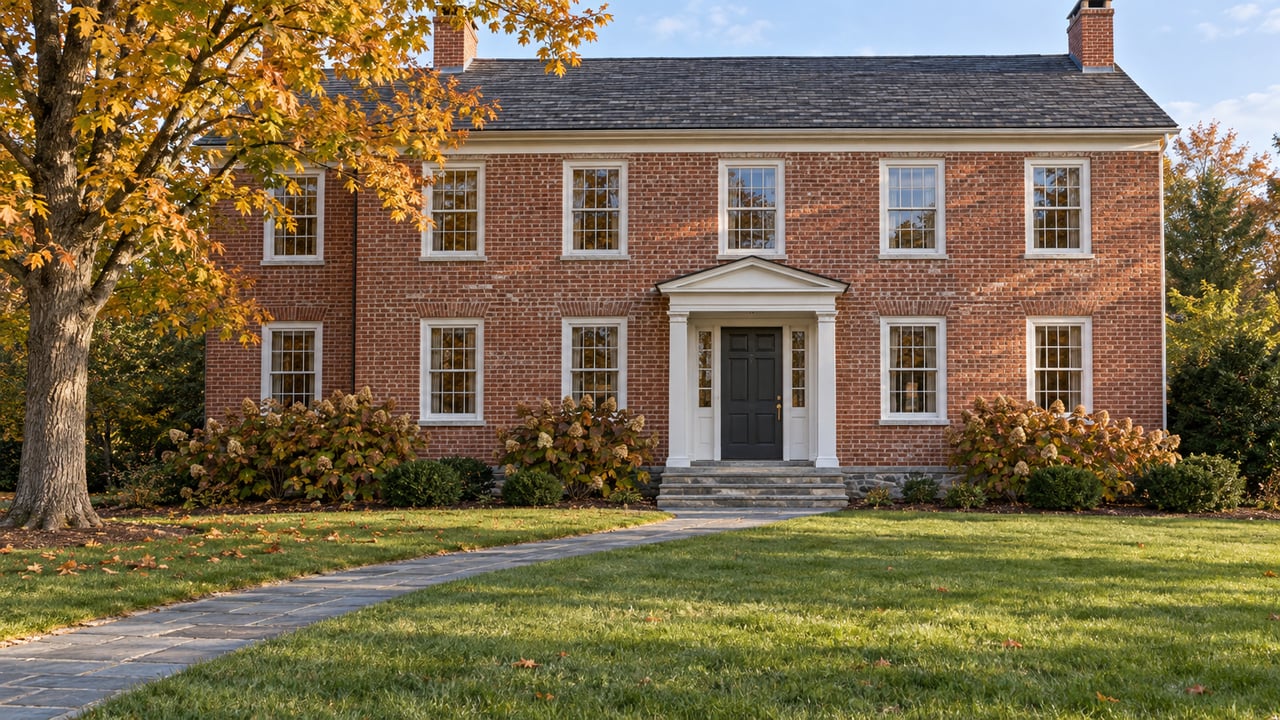
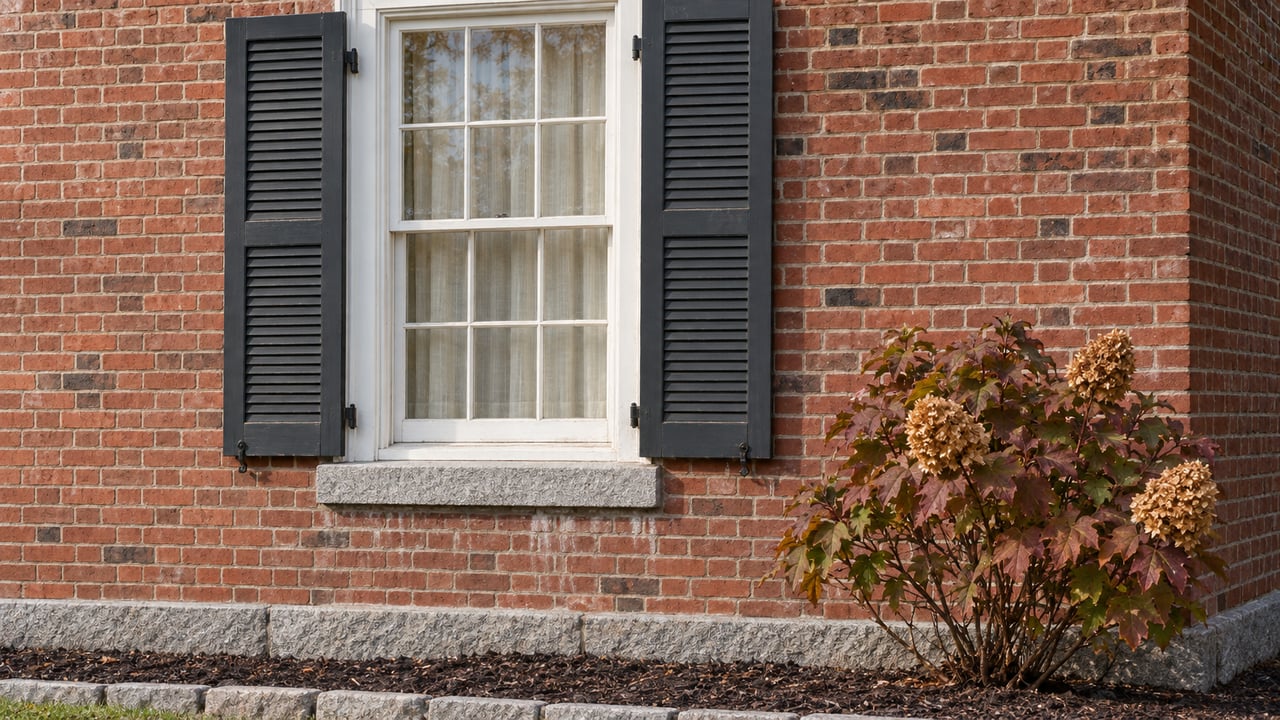
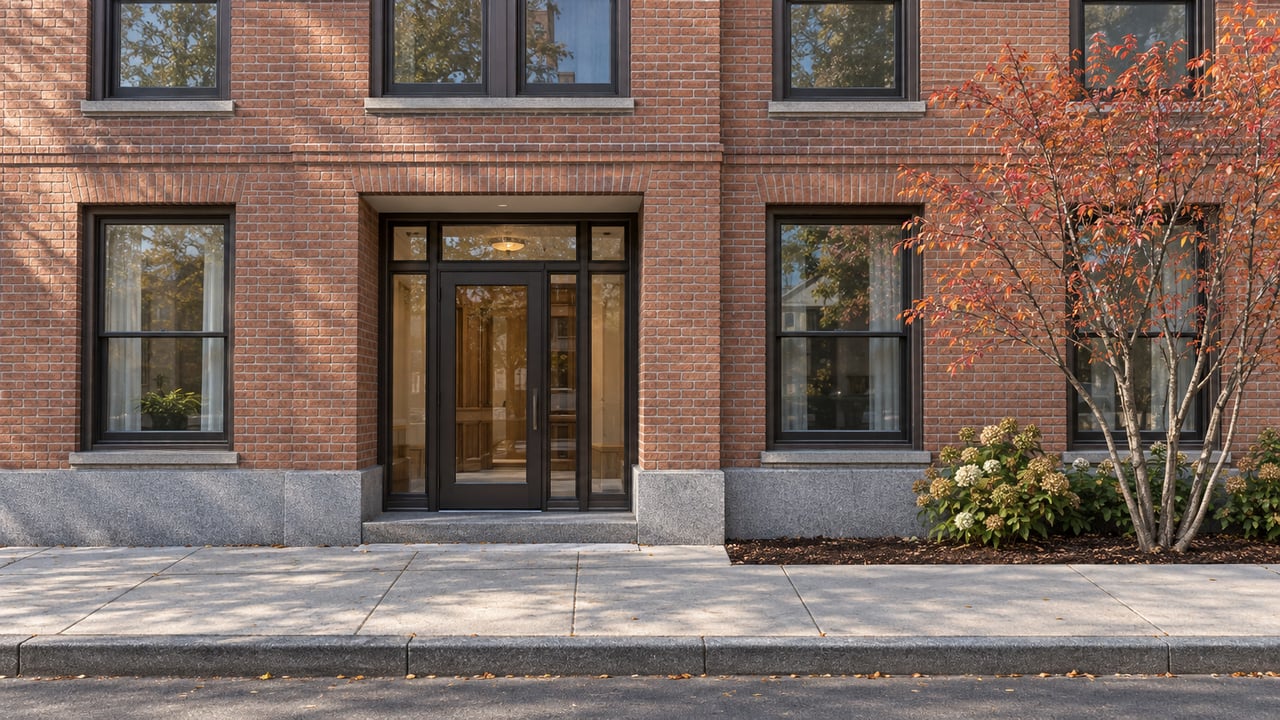
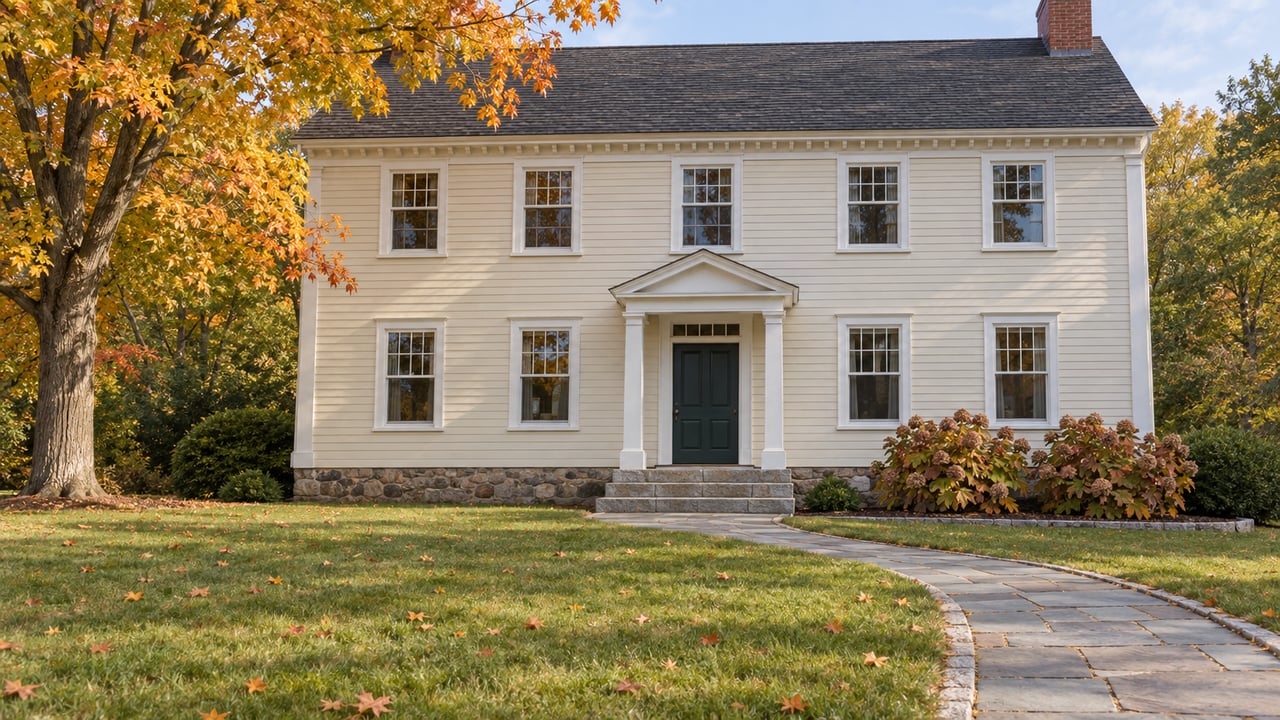
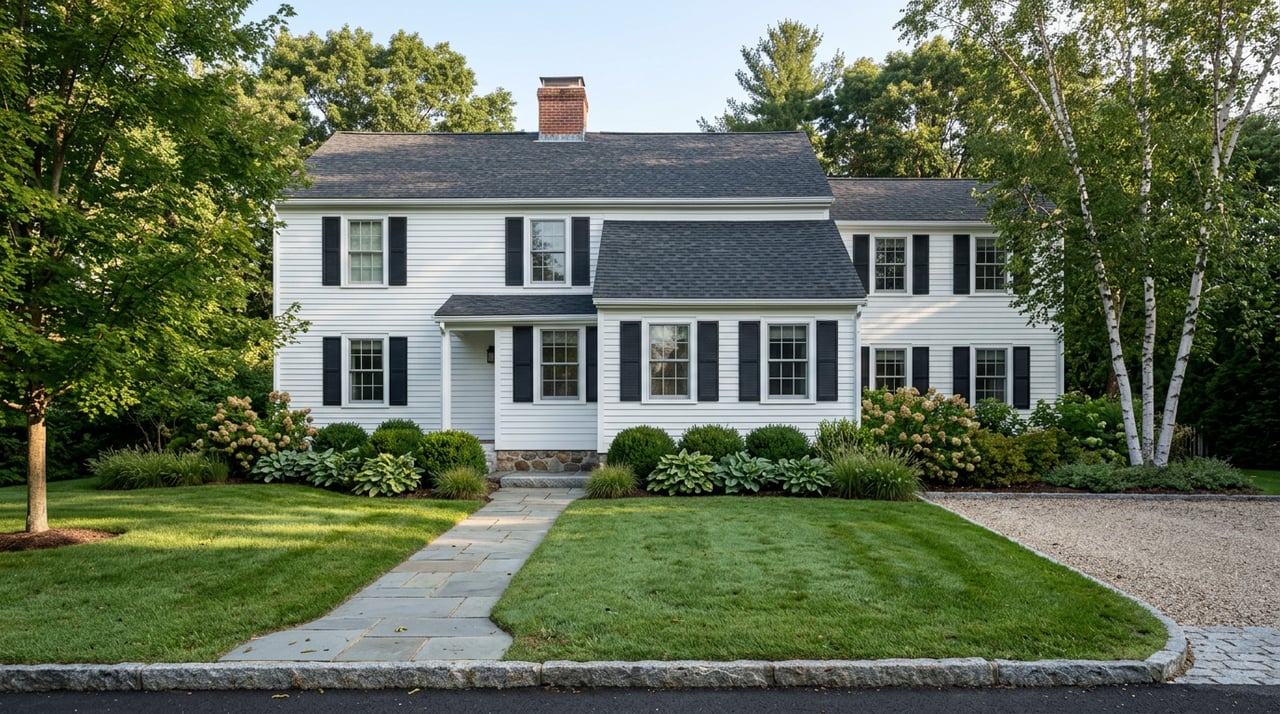
Concord’s housing stock is a study in classic New England architecture. In the historic districts, you will encounter well‑preserved Colonial, Federal, and Greek Revival homes. Many corridors feature Victorian and Queen Anne styles, while early to mid‑20th‑century Capes and Colonial Revivals appear across residential pockets. You will also find substantial single‑family homes from the 1970s to today, including renovated properties and occasional village‑scale infill or townhouse conversions.
Lot sizes, zoning, and what that means
Concord’s zoning emphasizes lower‑density residential patterns, which helps preserve mature landscapes and a quiet feel. Minimum lot sizes in several districts, along with conservation priorities, limit small‑lot development and shape the town’s predominantly single‑family profile. If you are hunting for a starter home, this framework explains why inventory can feel tight. For a deeper look at how districts are organized, see the town’s zoning materials.
Price snapshot and market context
By national and statewide standards, Concord is a premium market with limited supply. The U.S. Census American Community Survey estimates the median value of owner‑occupied housing at $1,210,000 for 2020–2024, and the median household income at $195,350 over the same period, with a mean commute time of 32.4 minutes for workers 16 and over. You can view these baseline figures in U.S. Census QuickFacts for Concord.
Recent real‑time snapshots underscore the premium tier. Zillow’s local home value index placed Concord around the high six‑figure to low seven‑figure range in 2025, with a site‑reported median list price near $1.92 million as of December 31, 2025. A separate June 2025 market report cited a median sold price around $1.525 million. These are directional figures that move month to month, yet they reflect a consistent pattern: well‑located, renovated homes often draw strong interest, and smaller homes trade quickly when priced well.
Schools, commuting, and essentials
Public and private school options
Concord participates in the Concord‑Carlisle regional system, with Concord‑Carlisle High School serving the area. Public data sources place the district among higher performing systems in the state; you can review test scores and program indicators on MassSchoolRankings’ profile for Concord‑Carlisle High. Independent options in or near town include Concord Academy, Middlesex School, and The Fenn School, which gives families added paths to consider.
Getting to Boston and Cambridge
Two MBTA Commuter Rail stops, Concord and West Concord, sit on the Fitchburg Line. Typical trips to Boston’s North Station often fall near the 30 to 45 minute range depending on the train; for a station overview and connections, check the Concord station page. Many commuters also transfer at Porter Square for Red Line access to Cambridge. By car, Route 2 is the main east‑west route, with travel times that vary by rush‑hour patterns. For an objective baseline across workers, the mean commute time for Concord residents is 32.4 minutes according to the Census QuickFacts.
Healthcare and daily services
You will find primary care, dental, pharmacies, and urgent‑care options in town, with major hospitals and specialty centers throughout the wider MetroWest and Boston area. Grocery and everyday retail are nearby in the village centers, while big‑box shopping sits in adjacent suburbs that are easy to reach by car.
Is Concord a fit for you? Quick checklist
- You want a small‑town setting with national‑level history and culture in your backyard.
- You value access to protected open space, with easy trails for weekend walks and summer swimming at Walden.
- You prefer village centers with independent shops and local events, plus a second hub with commuter‑rail service.
- You are seeking classic New England architecture and are comfortable with a market that skews higher in price and lower in inventory.
- Your Boston or Cambridge commute could work by rail or car, and you will check schedules and traffic to fine‑tune time windows.
If Concord sounds right, let’s talk about timing, neighborhoods, and strategy. As a boutique MetroWest brokerage, Rutledge Properties pairs local, hands‑on guidance with a clear, step‑by‑step process. For buyers, we handle discovery, curated tours, and offer strategy. For sellers, we provide a data‑driven CMA, a prep plan that may include repairs, decluttering, and staging, plus thoughtful marketing and open houses. When you are ready, reach out and work directly with a dedicated agent from first conversation through closing.
FAQs
Is Concord, MA a good place for families considering schools and lifestyle?
- Many households choose Concord for its conservation land, walkable village centers, and public schools; statewide data show strong academic indicators for the regional high school on MassSchoolRankings.
What are typical Concord home styles and ages?
- You will see Colonial, Federal, and Greek Revival homes in historic districts, Victorian and Queen Anne properties along several corridors, plus 20th‑century Capes and Colonial Revivals and newer single‑family homes on larger lots.
How long is the commute to Boston or Cambridge from Concord?
- The Fitchburg Line offers roughly 30 to 45 minute rail trips to Boston’s North Station, with Red Line transfers at Porter Square; the mean commute time across Concord residents is 32.4 minutes, per the U.S. Census.
Where do residents go for weekend outdoor time?
- Favorites include Walden Pond State Reservation for swimming and trails, the Minute Man park sites for walks and history, and regional biking via the Bruce Freeman Rail Trail.
What recent numbers show Concord’s market is premium?
- Census estimates place the 2020–2024 median owner‑occupied value at $1.21M and household income at $195,350; recent third‑party snapshots in 2025 showed list and sale medians well above statewide figures, reflecting limited supply and strong demand.